
The Best Time to Go to Bed (If You Actually Want to Feel Good the Next Day)
Because apparently the body has preferred operating hours.
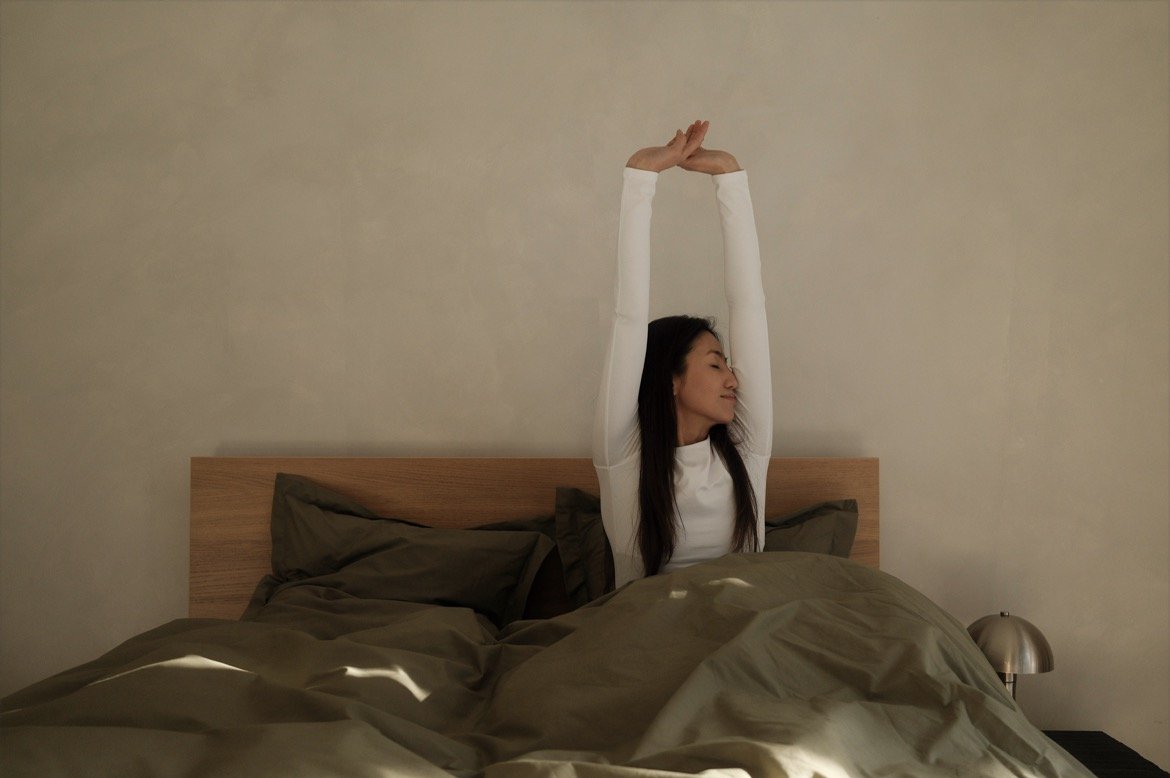
Eight hours should theoretically be eight hours.
Sleep from 1:00 AM to 9:00 AM. Sleep from 10:00 PM to 6:00 AM. Same math. Same amount of unconsciousness. Very different outcome, apparently.
Unfortunately, the body seems to have preferred operating hours.
The deeper stages of sleep — the ones associated with physical recovery, hormone regulation, memory consolidation, and cellular repair — happen earlier in the night and are closely tied to the circadian rhythm, not just total sleep quantity.
Which is mildly irritating for anyone who enjoys treating midnight like an emotionally neutral decision.
But it does explain a lot. Because some sleep genuinely feels different.
Some mornings feel relatively functional. Other mornings feel like waking up inside wet cement despite technically getting “enough” sleep. Same person. Same bed. Same approximate number of hours.
The timing changes things.
Research on circadian rhythm and sleep architecture consistently shows that the body follows a fairly predictable biological schedule tied to light exposure. Melatonin rises in the evening. Cortisol gradually increases toward morning. Deep sleep tends to be concentrated in the first half of the night.
Which means sleeping later is not always interchangeable with sleeping earlier, even when the total hours match on paper.
Rude, honestly. But useful.
The Sleep Window That Seems to Work Best
The most consistently functional version of myself appears to exist within a fairly boring sleep schedule.
asleep around 10:00-10:30 PM
awake around 6:30-7:00 AM
around 8-9 hours total
Not perfectly. Not with military precision. Just consistently enough that my body stops acting like it’s angry and confused.
And the effects show up everywhere.
Energy is the obvious one, but sleep timing also affects:
blood sugar regulation
appetite hormones
stress response
recovery
skin repair
inflammation
mood
cognitive function
Which starts to explain why poor sleep has a way of making absolutely everything feel slightly harder than necessary.
Even skin looks duller after several late nights in a row, which feels deeply unfair considering the amount of money the skincare industry has convinced us to spend.
Earlier Sleep Feels Different Than Sleeping Late
This is probably the strangest part.
Sleeping later often sounds restful in theory, but personally, it tends to produce a very specific type of grogginess that feels less like recovery and more like being gently tranquilized.
Meanwhile, going to bed earlier — even by an hour — makes mornings noticeably easier.
Not magical. Just… less hostile.
Which also explains why waking up earlier feels dramatically different when it happens naturally versus through psychological warfare and multiple alarms.
(I wrote more about that here: How to Wake Up Earlier Without Feeling Miserable.)
Because most mornings are really decided the night before.
Not through some elaborate five-step nighttime routine. Mostly just through reducing stimulation earlier and acting like tomorrow’s version of yourself is a real person who will eventually have to deal with your decisions.
My Evenings Are Simpler Now

Ironically, trying to “perfect” sleep tends to make sleep worse.
The evenings that work best are usually the least dramatic:
dimmer lights
less screen time
quieter background noise
fewer unnecessary tasks at 10:47 PM
some indication to my nervous system that we are no longer preparing to survive a wilderness emergency
This is also why my evening routine has become much simpler over time.
Not hyper-productive. Not aspirational. Just calm enough that my brain eventually stops trying to solve every problem I’ve ever had immediately before bed.
(I wrote more about that here too: How I Keep My Evenings Calm Without A Complicated Routine.)
And honestly, that shift alone has probably improved my sleep more than any supplement ever has.
The Goal Is Not Becoming a Morning Person
I’m not trying to become someone who wakes up at 5:00 AM smiling peacefully at the sunrise while journaling beside a candle.
I would simply like to feel reasonably functional.
And the older I get, the more obvious it becomes that sleep affects almost everything:
energy
mood
hunger
focus
patience
skin
recovery
stress tolerance
and honestly, my general willingness to participate in society
This means going to bed earlier is less about discipline and more about quality of life.
Annoyingly simple advice. But apparently the body enjoys consistency, darkness, and adequate rest instead of chaos and revenge bedtime procrastination.
Unfortunate news for all of us, really.