
Blog
Simple Routines, thoughtful choices, and everyday life.
Nothing complicated. Just what actually helps.

10 Little Things I’ve Stopped Feeling Guilty About
We all carry around little expectations that we rarely stop to question. Here are ten everyday things I’ve stopped feeling guilty about—and why letting them go has made life feel a little lighter.
Some of the things we feel guilty about aren’t really rules at all. They’re just expectations we’ve picked up over the years. Here are a few I’ve finally decided to let go of.
I don’t know exactly when these little rules showed up.
It seems like they’ve always been there.
The idea that I should stay up later, wear the “right” outfit, keep every room spotless, cook something different and exciting every night, or somehow have everything figured out by now.
Each one is small on its own. But they have a funny way of taking up space in your head until they start to feel normal.
Lately, I’ve realized that many of the things I feel guilty about aren’t actually rules at all. They’re expectations I’ve collected over the years without ever stopping to ask whether I even believe them.
So, little by little, I’ve been letting them go.
A lot of that shift started when I realized that the best routines aren’t the most impressive ones—they’re the ones that actually make life feel a little better.
Life hasn’t changed overnight.
It’s just become a little lighter.
1. Going to bed early
Going to bed early made me feel like I was giving up too soon.
There was always one more thing I could do. Fold another load of laundry. Straighten the kitchen. Read one more chapter. Answer one more email.
The funny thing is, I’ve never regretted getting enough sleep. I have regretted convincing myself that staying up until midnight was somehow the responsible choice.
The laundry has never once complained that it had to wait until morning.
2. Eating the same breakfast
My breakfast has become the equivalent of a cartoon character’s outfit.
It barely changes.
When I find something that’s easy, filling, and makes me feel good, I’m perfectly happy eating it over and over until I eventually get tired of it.
I used to think adults were supposed to crave endless variety.
Turns out, I mostly enjoy not having to make another decision before work.
3. Drinking decaf coffee
People have surprisingly strong opinions about decaf.
They’ll joke that it doesn’t count or ask why I even bother.
Meanwhile, I’m over here enjoying my morning cup just as much as ever…without feeling jittery or anxious afterward.
I’ll take that trade every time.
4. Wearing the same earrings…again
I own more than one pair.
I just don’t always wear them.
Sometimes I realize I’ve had the same little gold studs in for three weeks. Sometimes I haven’t changed my purse in months.
Apparently no one has ever been keeping track except me.
5. Buying flowers for no reason
Fresh flowers used to feel like something I should save for company or a special occasion.
Now if I see a little bouquet at the grocery store that makes me smile, sometimes I bring it home.
It’s a tiny thing.
But tiny things have a funny way of making an ordinary Tuesday feel a little more special.
6. Having a home that’s still unfinished
If you’ve followed along for a while, you already know our house is a work in progress.
Sometimes I catch myself thinking I’ll enjoy it more once we finish the next project.
Except…there’s always another project.
I’ve stopped waiting for the house to be finished before I let it feel like home.
Fresh flowers don’t care if the trim still needs painting. Friends don’t notice half the things I point out. Some of my favorite evenings have happened surrounded by projects that still aren’t finished.
7. Leaving a few things for tomorrow
I still enjoy a tidy house.
I just don’t believe every task has to be finished today.
Tomorrow has turned out to be surprisingly dependable.
Most chores are still sitting exactly where I left them.
8. Having simple dinners
Not every meal has to become a recipe worth sharing.
Some nights dinner is eggs and toast. Sometimes it’s leftovers. Sometimes my husband cooks something delicious, and I happily eat it without trying to calculate every calorie.
It’s just dinner.
And somehow, everyone ends up fed.
9. Saying no without a long explanation
This one has taken me a while.
If someone invited me somewhere or asked me to do something, I’d immediately start looking for a reason that sounded acceptable.
“I have to work.”
“We already have plans.”
“I have an appointment.”
Simply saying, “I’m sorry, I can’t this time,” never felt like enough.
But why?
I always felt that saying no required a really good excuse.
Now I don’t think it does. If I’m tired, that’s okay.
If I need a quiet evening at home, that’s okay.
If I simply don’t have the capacity this week, that’s okay too.
I’ve realized I don’t owe anyone a detailed explanation for protecting my time or my energy.
A kind, “I’m sorry, I can’t make it this time,” is a complete answer.
And surprisingly, most people don’t ask for anything more.
10. Being good enough
This one sits underneath all the others.
I’ve spent enough time trying to become the person who has the perfect house, the perfect routine, the perfect schedule, and the perfect version of herself.
These days, I’m much more interested in building a life that simply feels good to live.
I can honestly say that letting go of a little guilt has made a lot more room for joy.
Final Thoughts
I still catch myself falling back into some of these old habits.
I still feel guilty sometimes.
But now, every once in a while, I stop and ask myself a simple question.
Who made this rule?
Most of the time, I can’t come up with an answer.
And then maybe I should let it go.
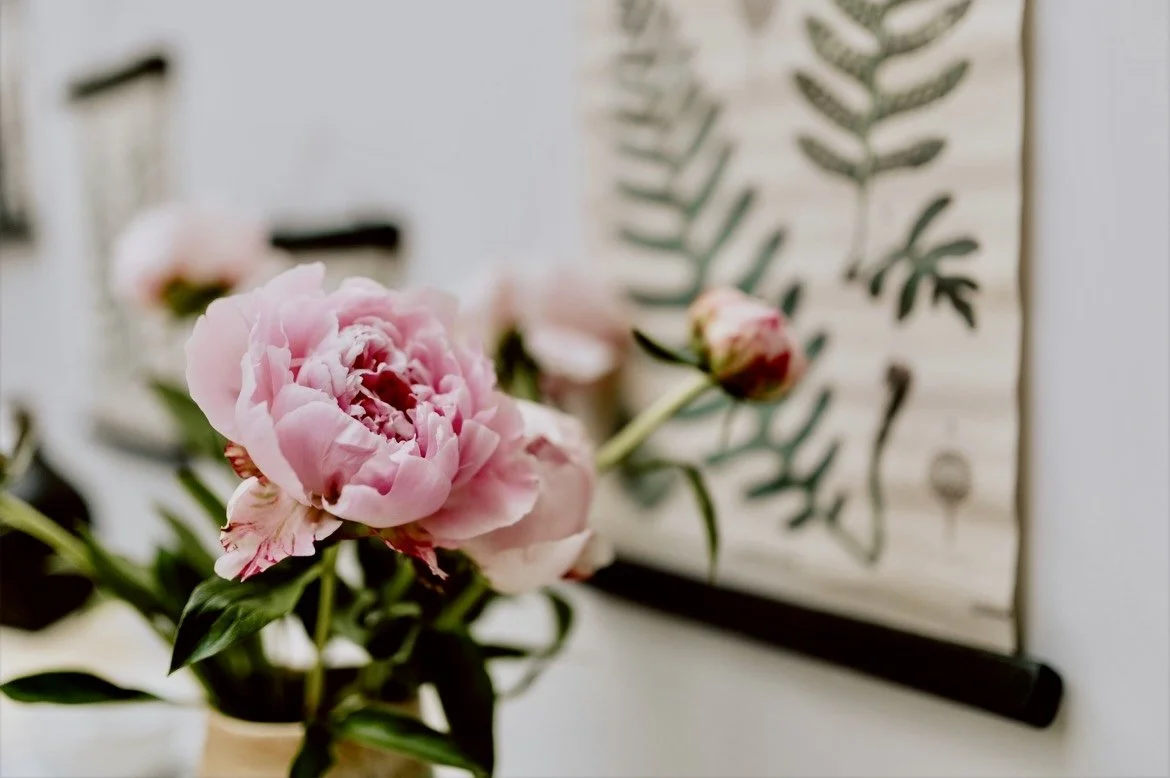
How to Make Your Home Feel More Like Home (Without Renovating)
It’s easy to believe we’ll finally love our homes after the next renovation, paint project, or furniture purchase. But life doesn’t wait for the “finished” house or apartment. Here’s how small, thoughtful changes have helped me enjoy the home I already have.
Don’t wait to love the place where your life is already happening.
There was a time when I thought I’d really love my house after. After we painted. After we replaced the flooring. After we remodeled the kitchen or finally found the sofa I’d been searching for.
It always felt like there was one more project standing between me and the feeling I was hoping for.
The funny thing is, life didn’t wait. Coffee was still brewed every morning. Dinner was still made in the kitchen I wanted to change. One ordinary day led to another, and my life was already unfolding inside this house while I was waiting for it to become the one I imagined.
Don’t get me wrong—I still love a home project. I have a running list of paint colors, landscaping ideas, and rooms I’d love to update someday. But somewhere along the way, I realized I didn’t want all of the joy to live in the future. I wanted to enjoy the house I was already living in.
That shift in perspective has slowly become part of what I call the Probably Fine Philosophy—the idea that ordinary life doesn’t have to be perfect before we start enjoying it.
Stop Waiting for the “Finished” House
I still catch myself thinking, “This room will be so much better once…”
Once we repaint it.
Once we replace the light fixture.
Once we finally find the right rug.
I’ve caught myself doing the same thing with people, too.
I’ll invite friends over once we’ve finished this room.
Once the landscaping looks better.
Once everything feels more put together.
But homes aren’t really meant to impress people. They’re meant to gather them.
The people who care about you aren’t keeping score of your countertops or your paint colors. They’re coming because they enjoy being with you. And if I keep waiting until everything feels “finished”, I’m not just postponing a home project. I’m postponing memories.
There’s nothing wrong with improving your home. I think that’s part of the fun. But I’ve started asking myself a different question instead:
What would make this room feel a little more like home today?
The answer is almost never a renovation. It’s usually something much smaller.
Use the Things You Love
I used to save candles because I didn’t want to “waste” them. Now I light one while I’m making spaghetti on a Wednesday.
The pretty mug comes out on work mornings instead of staying tucked in the cabinet. The soft throw blanket lives on the couch where we actually use it. If I buy a lotion I really love, I put it on every night instead of saving it for some imaginary special occasion.
One of my favorite little habits is buying a simple bouquet from the grocery store and separating it into several tiny bud vases around the house. One sits by the bathroom sink, another ends up on my desk, and one goes beside the bed. There’s something unexpectedly cheerful about turning a corner and finding flowers where you weren’t expecting them.
The same thing happens in the evenings when I turn off the overhead lights and switch on the lamps instead. Nothing about the room has changed, but somehow everything feels different. The house feels softer. Calmer. Like it’s inviting everyone to slow down for a little while.
None of these things are expensive. Most of them are things I already had. They don’t make my house look like it belongs in a magazine, but they make me happier to be here—and I’ve started to think that’s what matters.
It’s similar to what I discovered while writing about routines. The habits that stick—and the homes we enjoy—usually aren’t the most impressive. They’re the ones that fit real life.
Let Your Home Tell Your Story
The homes I remember most have never been the fanciest ones. They’re the ones that felt personal.
Family photographs that make you stop for a second on your way down the hall. Books with bent spines because they’ve actually been read. A favorite blanket draped over the arm of the couch because everyone reaches for that one. Plants that aren’t perfect but are obviously loved.
Those little details tell you something about the people who live there.
I think we sometimes worry so much about whether our homes look beautiful that we forget to ask whether they feel like us.
Even something as simple as clearing one visible surface can make a room feel calmer. Not because every house should be spotless, but because it’s nice to give your eyes one peaceful place to land. I don’t need every room to be perfect. I just appreciate having one little corner that feels settled.
Home Is Where Your Life Is Happening
My house still needs work. Probably more than I’d like to admit.
There are paint colors I’d love to change. Bathrooms I’d like to remodel. A kitchen that exists in a Pinterest board more than it exists in real life.
I hope we’ll get to those things someday. But while we’re saving, planning, and dreaming, I don’t want to miss the life that’s already happening here.
So I light the candle.
I use the pretty mug.
I buy the flowers.
I fluff the blanket before I sit down.
I turn on the lamps.
I water the plants.
None of those things make my house perfect. They just remind me that home isn’t something I’m waiting for. It’s the place where my life is already happening. And I think that’s the feeling I was searching for all along.
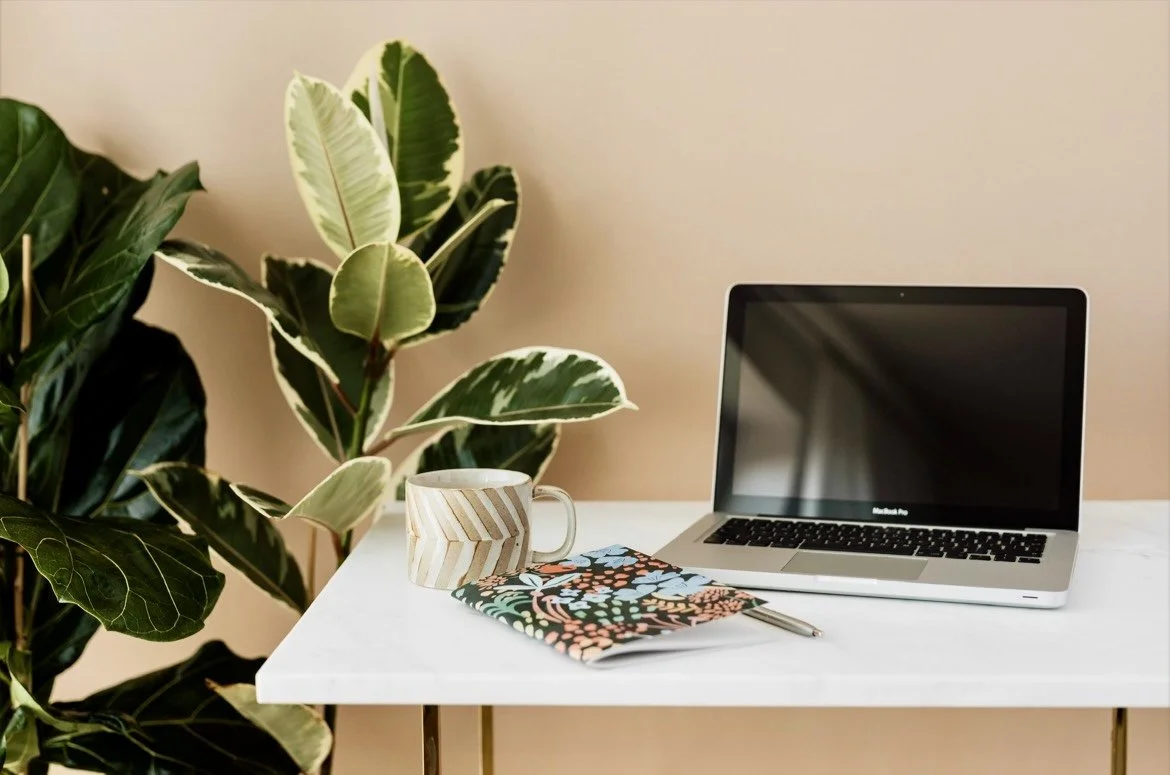
The Best Routine Is the One You’ll actually Do
Maybe the problem isn’t that you need a better routine. Maybe you just need one that fits your life. The best routines aren’t the most impressive—they’re the ones that make ordinary days a little easier to enjoy.
Let’s stop chasing the perfect routine and start building one that makes ordinary life feel a little better.
This post may contain affiliate links. If you choose to purchase through them, I may earn a small commission at no additional cost to you.
Somewhere along the way, routines became… a lot.
Wake up at 5:00.
Meditate.
Journal.
Work out.
Drink a gallon of water.
Read ten pages.
Eat the perfect breakfast.
Take your supplements.
Answer emails.
And somehow accomplish all of this before most people have finished their first cup of coffee.
If that kind of morning genuinely makes someone happy, I’m all for it. But I wonder how many of us have started believing our own routines aren’t good enough simply because they don’t look like that.
Maybe we don’t need a better routine. Maybe we just need one that fits our actual lives.
Build Around What You Already Enjoy
One of the smallest changes I’ve made has also been one of the most helpful. I stopped trying to optimize every part of my morning.
I love my decaf coffee with cream. Could I replace it with lemon water? Probably. Would it make me happier? Not even a little.
So I stopped treating my favorite part of the morning like it was a problem to solve. That little cup of coffee doesn’t get in the way of my routine. It’s one of the reasons I look forward to getting out of bed.
Instead of asking, “How can I make this more productive?” I’ve started asking, “What makes me happy enough that I’ll actually want to begin the day?”
The healthiest routine isn’t always the one that looks the most impressive. Sometimes it’s simply the one you’ll happily repeat tomorrow.
Make the First Step Ridiculously Easy
The same thing happened with exercise.
I kept thinking movement only “counted” if it was long enough, hard enough, or left me completely exhausted.
These days, I usually pull up a short Blogilates workout. Some mornings it’s ten minutes. Sometimes it’s twenty. Sometimes I just spend five minutes stretching because that’s honestly all I have in me.
And that’s okay. I’ve stopped worrying about whether my workout looks impressive. I’m much more interested in whether I’ll still be doing it six months from now.
A short walk.
A quick stretch.
Ten quiet minutes of movement.
Those things count because they happened. I’d honestly rather move my body for ten minutes fifty times than have to work out for an hour twice.
Stop Copying Someone Else’s Schedule
One of the nicest things about getting older is realizing that not every good idea has to become my good idea.
Some people love waking up before sunrise.
Some thrive on long workouts.
Some meal prep every Sunday afternoon.
Some journal every morning.
Good for them.
But our lives aren’t interchangeable.
Some of us work from home.
Some have young kids.
Some take care of aging parents.
Some simply need more sleep than others.
Your routine should fit your life—not someone else’s highlight reel. There’s something freeing about letting go of the routine you think you should have and building one that actually works for the life you’re living.
Do the Things That Make Life Nicer
The habits that have lasted the longest aren’t always the productive ones. They’re the ones that make ordinary life feel a little nicer.
Lighting a candle while I make dinner.
Making a cup of tea in the afternoon.
Picking up a small bouquet at the grocery store and dividing it into tiny bud vases around the house so I notice them all week.
Putting on mascara and a simple pair of earrings, even when I’m working from home.
Listening to music—or an Audible book—while I fold laundry or unload the dishwasher.
None of those things help me cross more off my to-do list. But they do make me enjoy my day a little more.
We spend so much time trying to optimize our lives that we sometimes forget to enjoy them. Maybe those little moments deserve a place in our routines too.
Leave Room for Ordinary Life
The routine that lasts isn’t usually the prettiest one.
It’s the one that still works when work runs late.
When you’re tired.
When dinner doesn’t go according to plan.
When the cat throws up on the rug.
When the laundry sits in the dryer until tomorrow.
Life isn’t made up of perfect mornings and uninterrupted afternoons. It’s made up of ordinary Tuesdays.
A routine that can bend without breaking is far more valuable than one that’s perfect on paper. If your routine only works when everything goes according to plan, it probably isn’t built for real life.
Maybe That’s the Better Goal
These days, my routine is pretty simple.
I drink my coffee.
I work.
I try to move my body.
I make dinner.
I water my plants if they look thirsty.
I tidy something small before bed.
I try to get to sleep a little earlier than I used to.
Tomorrow doesn’t always go according to plan, and that’s okay. The routine isn’t built for perfect days anymore. It’s built for ordinary ones.
It’s not the routine I imagined for myself ten years ago. But it’s the one I actually live. And I’ve started to think that’s the better goal.
Maybe we don’t need a better routine after all. Maybe we just need one we’ll still be happy with six months from now.
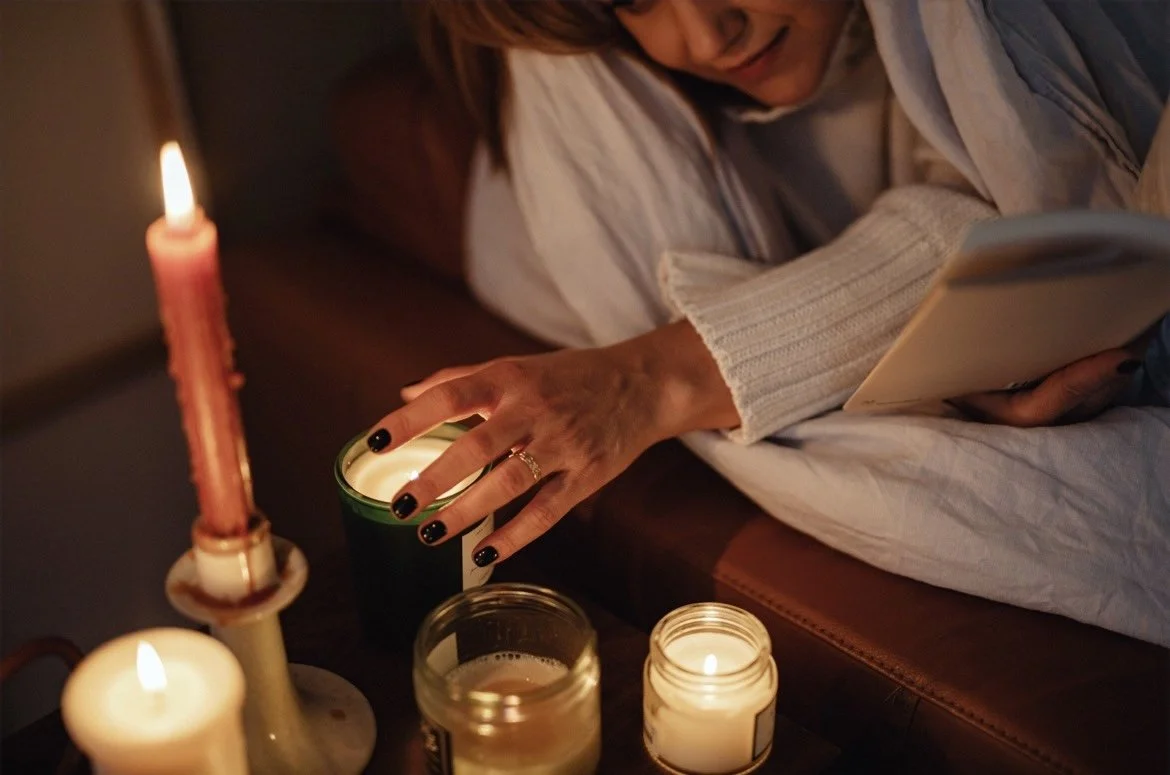
How I Finally Started Going to Bed Earlier (Without Forcing Myself)
Most nights, I genuinely want to go to bed earlier. Then somehow it’s 10:30 PM and I’m researching something completely unnecessary. Here’s what finally helped me stop fighting bedtime and create an evening routine that makes sleep feel easier - and mornings feel better.
It wasn’t more discipline. It was a better evening.
This post may contain affiliate links. If you choose to purchase through them, I may earn a small commission at no additional cost to you.
If you’ve wondered how to go to be earlier even when you’re not tired, you’re not alone.
Most nights, I genuinely want to get more sleep. I know I’ll feel better the next day. I’ll have more energy, be in a better mood, and probably get more done. My skin looks better when I’m rested. My eyes look brighter. Everything feels a little easier.
And yet, somewhere around 9:30 PM, I start acting like tomorrow isn’t my problem.
Suddenly I’m researching something completely unnecessary, scrolling my phone, reorganizing my life in my head, or convincing myself that staying up another hour isn’t a big deal.
The funny thing is that I don’t actually enjoy feeling tired. I love mornings when I’ve slept well. I love waking up without immediately wanting a nap. I love feeling calm, energized, and like myself.
So why was I making it so difficult?
What finally helped wasn’t more discipline. It was creating an evening that felt worth participating in.
I Stopped Waiting Until I Felt Sleepy
For a long time, I treated bedtime like a finish line.
I stayed up until I felt sleepy enough to practically fall into bed, and then I wondered why I kept staying up later than I intended.
Eventually, I realized that tired and sleepy aren’t always the same thing.
Some evenings I’m exhausted but still wide awake.
Now I start winding down before I feel completely ready. Not because I’m forcing myself to go to bed, but because I’ve learned that sleep usually arrives more easily when I give it a little room.
Instead of waiting for the perfect feeling, I start creating the conditions for it.
The Portable Lamp That Somehow Changed My Evenings
One of the simplest things I’ve done is replace bright overhead lights with softer lighting at night.
I bought a small portable lamp that can be dimmed, and it has become one of my favorite evening habits.
When it’s time to start winding down, I turn off the brighter lights and carry the lamp with me from room to room. If I go into the bathroom to wash my face, I take the lamp with me instead of turning on the overhead light. If I move into the bedroom, the lamp comes too.
It sounds a little silly when I write it out. But something about avoiding those bright lights helps my brain understand that the day is ending.
The whole house feels calmer.
And honestly, so do I.
Make Bedtime Something You Look Forward To
For me, bedtime always felt like the moment the fun part of the day ended.
That mindset wasn’t helping. Now I think about bedtime differently.
It’s the part of the day when I make a warm drink, put on an audiobook, take my magnesium, wash my face, and climb into bed before I’m completely exhausted.
Much of this grew out of the simple evening routine I’ve written about before here. I didn’t set out to create a perfect nighttime routine—I just wanted my evenings to feel a little calmer.
It’s a small ritual, but I’ve noticed that when bedtime feels pleasant, I stop resisting it.
I don’t need to trick myself into going to bed. I actually want to.
Think About Tomorrow’s Version of You
This may be the thing that helps me most.
When I’m tempted to stay up late, I try to picture tomorrow morning.
Not in a guilt-trip sort of way. Just as a reminder that tomorrow’s version of me is a real person.
She’s the one drinking coffee in the morning. She’s the one trying to focus on work. She’s the one deciding whether she has enough energy to go for a walk, make dinner, or tackle a project she’s excited about.
And she’s almost always grateful when I choose sleep over one more hour of scrolling.
Sometimes going to bed earlier isn’t about ending today.
It’s about giving tomorrow a head start.
Better mornings usually start the night before. A lot of what helped me wake up earlier without feeling miserable had surprisingly little to do with alarms and everything to do with getting enough sleep.
A Slightly Shallow Reason (That Still Counts)
I’ll admit that I have another motivation too.
I like how I look when I’m well-rested. My skin looks brighter. My eyes look more awake. Everything seems a little less puffy and a little more refreshed.
I’ve spent plenty of time researching skincare products, trying new routines, and looking for things that help me look healthier.
But the truth is that no serum has ever made me look as rested as a genuinely good night’s sleep.
It’s not the main reason I go to bed earlier. But it’s definitely on the list.
What Actually Helped Me Go to Bed Earlier
None of these things were dramatic and I didn’t follow a perfect routine.
I didn’t suddenly become a person who leaps into bed at 9:00 PM every night.
I simply made my evenings softer.
Dim lights instead of overhead lights.
A portable lamp that follows me around the house.
A warm drink. (This one is my favorite.)
A reminder that tomorrow will feel better if I sleep well tonight.
Individually, these habits seem small.
Together, they’ve helped me stop treating bedtime like something I have to do and start treating it like something I get to do.
And that’s made all the difference.
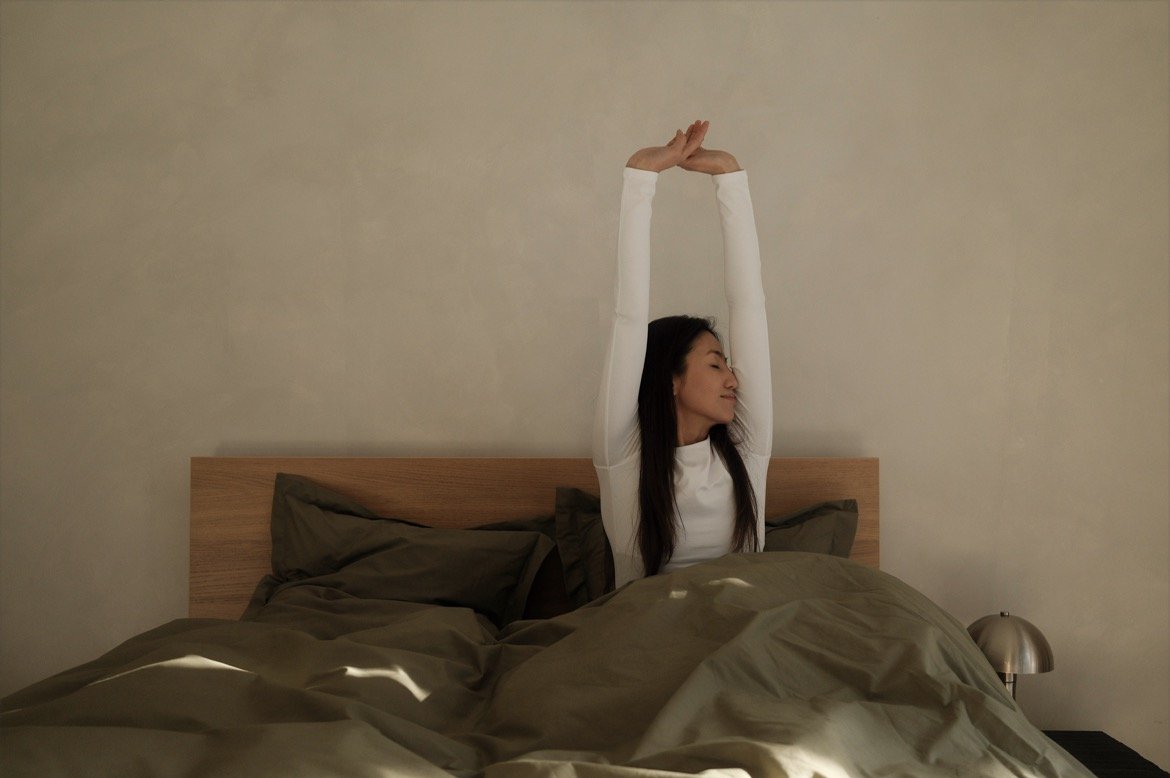
The Best Time to Go to Bed (If You Actually Want to Feel Good the Next Day)
Eight hours should theoretically be eight hours. Unfortunately, the body appears to disagree. Here’s why sleep timing affects energy, recovery, mood, and mornings more than most of us realize.
Because apparently the body has preferred operating hours.
Eight hours should theoretically be eight hours.
Sleep from 1:00 AM to 9:00 AM. Sleep from 10:00 PM to 6:00 AM. Same math. Same amount of unconsciousness. Very different outcome, apparently.
Unfortunately, the body seems to have preferred operating hours.
The deeper stages of sleep — the ones associated with physical recovery, hormone regulation, memory consolidation, and cellular repair — happen earlier in the night and are closely tied to the circadian rhythm, not just total sleep quantity.
Which is mildly irritating for anyone who enjoys treating midnight like an emotionally neutral decision.
But it does explain a lot. Because some sleep genuinely feels different.
Some mornings feel relatively functional. Other mornings feel like waking up inside wet cement despite technically getting “enough” sleep. Same person. Same bed. Same approximate number of hours.
The timing changes things.
Research on circadian rhythm and sleep architecture consistently shows that the body follows a fairly predictable biological schedule tied to light exposure. Melatonin rises in the evening. Cortisol gradually increases toward morning. Deep sleep tends to be concentrated in the first half of the night.
Which means sleeping later is not always interchangeable with sleeping earlier, even when the total hours match on paper.
Rude, honestly. But useful.
The Sleep Window That Seems to Work Best
The most consistently functional version of myself appears to exist within a fairly boring sleep schedule.
asleep around 10:00-10:30 PM
awake around 6:30-7:00 AM
around 8-9 hours total
Not perfectly. Not with military precision. Just consistently enough that my body stops acting like it’s angry and confused.
And the effects show up everywhere.
Energy is the obvious one, but sleep timing also affects:
blood sugar regulation
appetite hormones
stress response
recovery
skin repair
inflammation
mood
cognitive function
Which starts to explain why poor sleep has a way of making absolutely everything feel slightly harder than necessary.
Even skin looks duller after several late nights in a row, which feels deeply unfair considering the amount of money the skincare industry has convinced us to spend.
Earlier Sleep Feels Different Than Sleeping Late
This is probably the strangest part.
Sleeping later often sounds restful in theory, but personally, it tends to produce a very specific type of grogginess that feels less like recovery and more like being gently tranquilized.
Meanwhile, going to bed earlier — even by an hour — makes mornings noticeably easier.
Not magical. Just… less hostile.
Which also explains why waking up earlier feels dramatically different when it happens naturally versus through psychological warfare and multiple alarms.
(I wrote more about that here: How to Wake Up Earlier Without Feeling Miserable.)
Because most mornings are really decided the night before.
Not through some elaborate five-step nighttime routine. Mostly just through reducing stimulation earlier and acting like tomorrow’s version of yourself is a real person who will eventually have to deal with your decisions.
My Evenings Are Simpler Now

Ironically, trying to “perfect” sleep tends to make sleep worse.
The evenings that work best are usually the least dramatic:
dimmer lights
less screen time
quieter background noise
fewer unnecessary tasks at 10:47 PM
some indication to my nervous system that we are no longer preparing to survive a wilderness emergency
This is also why my evening routine has become much simpler over time.
Not hyper-productive. Not aspirational. Just calm enough that my brain eventually stops trying to solve every problem I’ve ever had immediately before bed.
(I wrote more about that here too: How I Keep My Evenings Calm Without A Complicated Routine.)
And honestly, that shift alone has probably improved my sleep more than any supplement ever has.
The Goal Is Not Becoming a Morning Person
I’m not trying to become someone who wakes up at 5:00 AM smiling peacefully at the sunrise while journaling beside a candle.
I would simply like to feel reasonably functional.
And the older I get, the more obvious it becomes that sleep affects almost everything:
energy
mood
hunger
focus
patience
skin
recovery
stress tolerance
and honestly, my general willingness to participate in society
This means going to bed earlier is less about discipline and more about quality of life.
Annoyingly simple advice. But apparently the body enjoys consistency, darkness, and adequate rest instead of chaos and revenge bedtime procrastination.
Unfortunate news for all of us, really.

Why I Started Paying Attention to Fabric
I used to buy clothes based on how they looked - but over time, I realized how much fabric actually affects how something feels, wears, and holds up. This is what I look for now, and why it’s changed the way I shop.
After buying too many clothes that looked good — but didn’t hold up in real life.
I used to buy clothes based on how they looked on the hanger.
If something felt soft, fit well, and looked cute, that was usually enough. When I was younger, I didn’t think too much about it. I generally knew that some fabrics were “better” than others — but I was usually more focused on price and variety. If spending less meant I could buy more, that felt like a win.
But over time, I started noticing a pattern. I’d wear something once or twice, and by the end of the day, I couldn’t wait to take it off. It felt slightly uncomfortable, or it didn’t breathe well, or somehow it already looked like I’d been wearing for years. Some pieces stained easily. Others held onto unpleasant odors.
And what gets me the most is that this isn’t just happening with cheaper clothes. I can walk into stores that feel elevated, pick up something that looks perfect — and check the tag. Polyester. Acrylic. Sometimes almost entirely. It’s disappointing. It feels like I’m paying for the look of quality, not the actual quality or experience of wearing it.
It took me a while to fully connect the dots, but eventually I did. And more recently, I’ve started to feel something else too — I don’t really want to settle for that anymore.
What I Look for Now
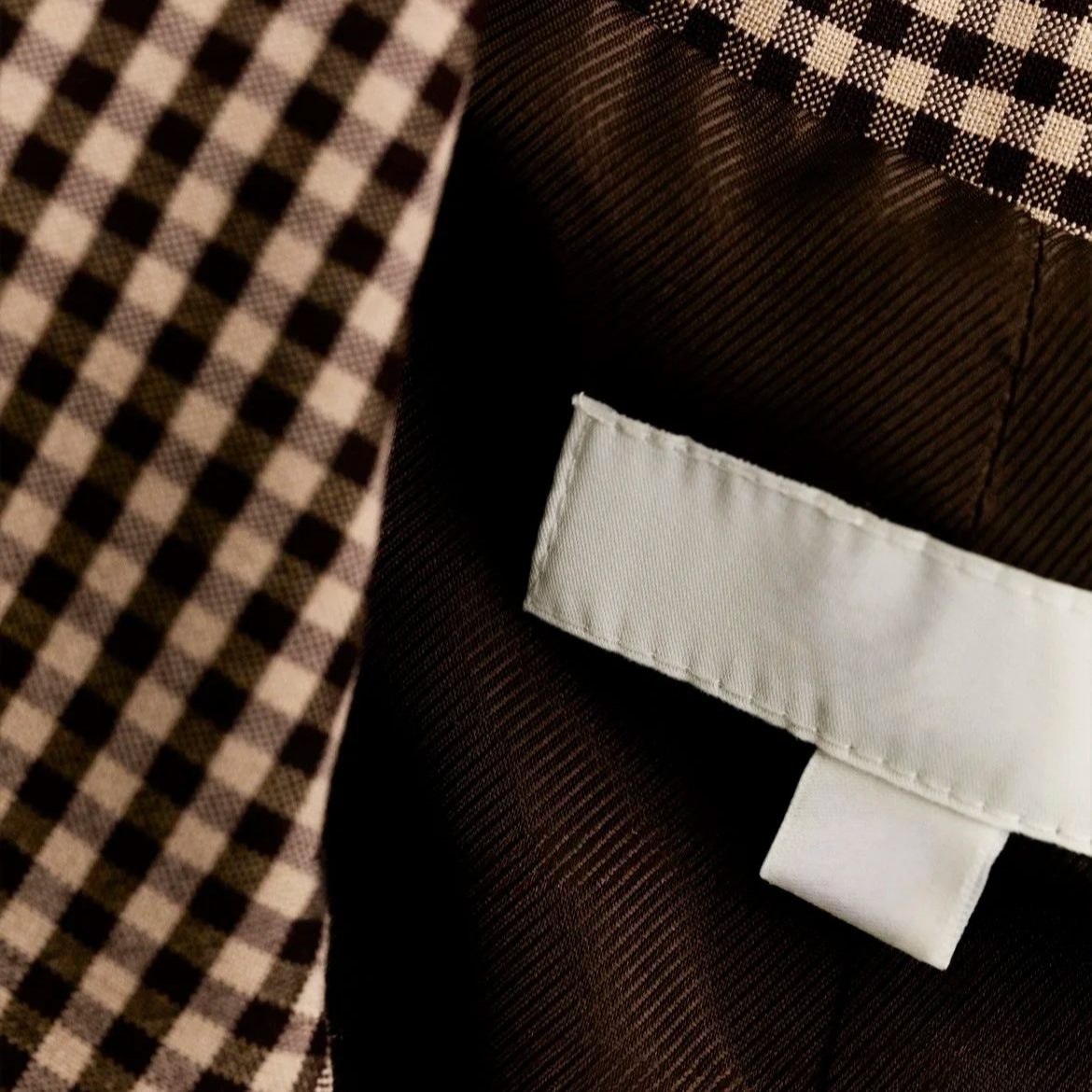
These days, I don’t just look at how something fits or feels in the moment — I check the tag.
Not in an overly technical way, just enough to get a sense of how something will actually wear throughout the day. And over time, I’ve found myself reaching for the same types of fabrics again and again.
Here’s what I tend to look for now:
Fabrics I Reach for Most
Cotton
Breathable, comfortable, and easy to wear all day. This is what I reach for the most, especially for everyday basics.
Linen
Light and airy, especially in warmer weather. It wrinkles, but in a way that feels relaxed instead of messy.
Wool (including lightweight wool)
Not just for winter. It helps regulate temperature and doesn’t seem to hold onto odor the same way other fabrics do.
Cashmere
Softer and more delicate, but very comfortable when I want something a little more elevated that still feels good to wear.
Silk
Lightweight and smooth, and feels really nice on the skin. I don’t wear this as often because it can be a little more delicate, but when I do, it’s one of those fabrics that just feels good on.
Fabrics I’ve Learned Are Still Worth Considering
Viscose / Rayon
Made from plant fibers but processed. These can feel soft and breathable, and I’ve enjoyed wearing them in certain pieces.
Modal / Lyocell (Tencel)
Similar to viscose, but often feel smoother and a little more durable. These tend to drape nicely and feel good on the skin.
These aren’t the same as fully natural fibers, but they can still feel really good to wear.
What I Pay Attention to Now
I don’t expect everything to be perfect, but I do look at:
the main fabric content (what makes up most of the piece)
whether it feels breathable or slightly “off” right away
how I think it will feel after a few hours — not just in the dressing room
I also don’t expect everything to be 100% one fabric. A small blend can actually help with durability or stretch — I just pay attention to what makes up most of the piece.
If something feels even slightly uncomfortable when I try it on, I’ve learned it usually doesn’t get better later. I notice this mostly with tops, sweaters, and anything I’m wearing all day. I don’t always get this right, but I notice it enough now that it’s changed how I shop.
Why It’s Worth It (For Me)
It’s true that the pieces made from better fabrics usually do cost a little more. And for a long time, that’s exactly why I avoided them. I’d rather spend less and have more options.
But now I realize that those cheaper pieces didn’t actually last — or feel good enough to wear regularly. So I wasn’t really getting more out of them.
The pieces I reach for now feel better throughout the day, hold their shape, don’t cling to odor in the same way, and just wear more easily over time. They also tend to hold up well with normal washing or cleaning, without losing their shape as quickly.
I’m also buying less than I used to, which makes the higher price feel more reasonable.
So even though they might cost more upfront, I end up wearing them more — and keeping them longer.
For me, that’s a better trade.
Of course, I still like clothes that look cute and stylish. I just want them to feel good all day too — and to be something I actually want to wear again tomorrow.

Why You Still Feel Dehydrated—Even when You’re Drinking Water
You’re drinking water all day, but still not feeling your best. Here’s why water alone isn’t always enough - and what actually helps your body stay properly hydrated.
You’re drinking water all day… so why isn’t it helping?
I started noticing this on days when I was doing everything right.
Water bottle next to me. Refilling it. Drinking it. And yet… I didn’t feel like it was doing anything.
I wasn’t horribly dehydrated. Just not at my best, like it seemed I should be. Because when I am properly hydrated, I can tell. My skin looks clearer. I feel less achy. Energy is more steady. Even those random afternoon headaches tend to disappear.
And this wasn’t that. But at this point, what else are you supposed to do besides drink more water?
So I did. And that didn’t fix it.
What Dehydration Actually Looks Like (When It’s Subtle)
When you think of dehydration, it’s easy to picture the extreme version — heat, dizziness, intense thirst.
But most of the time, it’s much more subtle.
It can look like:
low or inconsistent energy
trouble focusing
mild headaches
dry skin or lips
cravings that don’t really resolve anything
slower or irregular digestion
Why Water Alone Isn’t Always Enough
Water is still important. That part doesn’t change.
But hydration isn’t just about how much you drink — it’s about how well your body can actually use it. And water on it’s own doesn’t always get absorbed efficiently, especially if everything else is a little out of balance.
Things like:
relying mostly on coffee in the morning
eating lightly or skipping meals
waiting until you’re already thirsty to drink
drinking a lot at once instead of throughout the day
All of that can make it harder for your body to retain and properly use fluids. So you can be doing the “right” thing and still not getting the result you expected.
What Actually Makes Something Hydrating
The shift for me was realizing that hydration isn’t just about drinking more. It’s about giving your body what it needs to absorb and use fluids properly. And that usually comes down to three simple things working together.
1. Water (the base)
Water is the foundation. But on it’s own, it doesn’t always stay in the body long enough to be as effective as it could be.
2. Electrolytes (what helps your body use water)
Electrolytes are minerals — like sodium and potassium — that help regulate fluid balance.
They:
help your body retain the right amount of fluid
support how water moves into your cells
keep things balanced instead of diluted
Without enough of them, water can move through your system quickly without fully hydrating you.
3. A Small Amount of Carbohydrate
This was the piece that I hadn’t really considered.
A small amount of sugar helps your body absorb fluids more effectively by working alongside electrolytes. Not a lot — just enough to make hydration more efficient.
The goal isn’t just more water. It’s water, electrolytes, and a small amount of carbohydrate working together so your body can actually use what you’re drinking.
What This Looks Like in Real Life
Once I understood this, I was able to make a few small adjustments so that what I was already doing worked better.
A simple electrolyte drink (what I use most often)
Instead of relying on plain water all day, I started adding in a simple homemade drink that includes:
water
a small amount of natural sugar
a pinch of mineral salt
and a small amount of cream of tartar for potassium
It’s not overly sweet and doesn’t feel like a sports drink — just a more balanced version of something your body can actually use. I keep it in a large bottle and sip it throughout the day.
(You can find the exact recipe here.)
Coconut water (an easy option)
If you don’t want to make anything, coconut water is an easy alternative. It naturally contains electrolytes and a small amount of carbohydrate, so it’s more supportive than plain water. I think of it as something to rotate in, not rely on completely.
Hydrating foods (easy to overlook)
Food contributes more to hydration than it gets credit for.
Things like:
fruit — especially citrus or watermelon
vegetables with high water content — like cucumber or lettuce
yogurt
smoothies
soups or broths
All add to your overall fluid intake in a way that feels more natural than forcing more water.
What I changed (without overthinking it)
I didn’t track anything or follow a strict plan.
I just:
started earlier in the day
stopped relying on plain water alone
made sure I had at least one more effective option available
That was enough to make a noticeable difference.
What Proper Hydration Actually Supports
When hydration is working the way it should, things feel more consistent.
You might notice:
steadier energy
clearer focus
fewer cravings
skin that looks less dull or dry
digestion that feels more regular
So it’s not about drinking more. Just doing it a little differently.

When You’re So Overwhelmed you Just… Stop
Ever feel stuck staring at your to-do list, unable to start anything? This is the quieter side of overwhelm - and a simple, realistic way to move forward again.
There are days when I don’t feel overwhelmed in the way people usually describe it.
Nothing is falling apart. There’s no crisis. No big emotional spiral.
But… I can’t seem to do anything.
I’ll sit there knowing there are things I need to do. Respond to something, open the document I’ve been putting off, start the next task.
And I just don’t.
Not because I don’t care or I’m distracted. It’s more like something in me has stalled out.
I’ve had moments where I’m sitting at my desk, staring at my screen and a full list of things to do… and my brain just shuts down. I can see everything I need to do, but I can’t seem to start any of it. It’s like there’s a wall between me and the next step, and I don’t have the energy to push though it.
If you’ve ever felt like that too, you’re not broken. You’re probably just overwhelmed in a way that doesn’t look like overwhelm.
The Kind of Overwhelm That Doesn’t Look Like Much
From the outside, it probably doesn’t look like anything is wrong.
You’re at your desk. You’re technically working. You’re going through the motions. But internally, it feels heavier than that.
Like:
every task requires more energy than you have
even simple decisions feel slightly out of reach
you keep thinking “I’ll do it in a minute”. And the minute never comes.
You’re not choosing to ignore things. You’re just… stuck in place.
And the longer it lasts, the harder it feels to break.
Why This Happens (In a Normal, Human Way)
I used to think this meant I needed more discipline. But this doesn’t feel like a discipline problem.
It feels like overload.
Too many decisions. Too much input. Not enough space to recover in between.
At some point, your brain stops pushing forward and starts conserving energy instead. And when that happens, even basic things can feel harder to start than they should.
What I Do Instead (When I Catch It In Time)
I don’t try to force my way out of it anymore. That usually makes it worse.
What helps more is lowering the bar to something that doesn’t require momentum.
Not a full reset. Not a productive day. Just a small shift.
Something that looks like:
stepping outside for a few minutes, just to reset the feeling a little
putting on one upbeat song and doing anything while it plays
drinking something cold or warm and actually sitting with it for a minute
picking the easiest possible task and doing only that
It doesn’t fix everything. But it gets things moving just enough.
If this is the king of thing you’ve been feeling lately…
If You Only Do One Thing
If everything feels like too much, come back to this:
Pick one thing that feels almost too easy to count.
Not the most important task. Not the thing you’ve been avoiding. Just something small enough that your brain doesn’t push back on it.
And then don’t think past that. Don’t try to map out the rest of the day.
Just do the one thing.
Because when I’m in that state, it’s not really about getting everything done. It’s about getting unstuck.
And more often than not, once I start, it’s a little easier to keep going. Sometimes it’s just one more thing. Or it might turn into a few. But it’s usually enough to at least get me moving again.
The Part I Try to Remember
This feeling always passes.
Not because I suddenly become more motivated or disciplined, but because I eventually get enough space, rest, or simplicity for things to start moving again.
And when they do, it doesn’t take much. A little energy comes back. One thing gets done. Then another.
Nothing extreme. Just forward again.
A Different Way to Look at It
I don’t think this is something to fix. I think it’s something to notice. A signal that maybe you’ve been carrying more than you realized… even if it doesn’t look like much from the outside.
Maybe it’s just your body asking for a little more space, or a little more care, than it’s been getting.
And instead of pushing harder, sometimes the better response is to make things smaller. More doable. More forgiving. Until you feel like yourself again.
Maybe we weren’t stuck after all… just paused for a minute
If you’re going through a day where everything feels a little heavier than usual, you might also like this reset post — it’s what I come back to when I need to start fresh without overthinking it.

The 10-Minute Reset That Fixes Most Bad Days
Some days don’t fall apart — they just feel a little off. This simple 10-minute reset helps you feel more like yourself again without overhauling your whole day.
A simple way to reset your day when nothing feels quite right.
Some days don’t exactly fall apart… they just feel off. You wake up a little slower. You can’t quite focus. Everything feels slightly harder than it should. Not bad. Just… off.
I used to try to push through days like that. Power through. Deal with how I felt later.
And for a while, it actually did work. I could go all day on coffee, skip meals, get everything done, and feel pretty unstoppable.
But it doesn’t work the same anymore — now I feel it almost immediately.
So now do something different. I reset. Not my whole day. Not my entire to-do list. Just a few small things that usually take about ten minutes total. And most of the time, that’s enough to turn things around.
What a reset actually is (and what it’s not)
This isn’t a routine. It’s not a full clean, a workout, or a productivity system.
It’s just a quick shift out of that “off” feeling. Something that helps you feel a little more like yourself again.
My 10-minute reset (realistically)
This is what I come back to over and over:
1. Open a window or step outside
Fresh air helps more than I expected it to. Even a minute or two on the porch or a quick walk to the mailbox resets something.
Usually, it’s also when I’ve been sitting too long.
2. Drink something (not just coffee)
I almost always feel better after this.
Most mornings, I already have a pitcher of my simple hydration drink in the fridge, so I’ll pour a glass and actually finish it.
If you’ve read my hydration post, you know I keep it really simple. It’s a small thing, but it helps more than it should.
3. Tidy one surface
Not the whole house. Just one thing: the kitchen counter, my desk, the bathroom sink. It takes maybe two minutes, but it changes how the space feels.
4. Clean my face or tidy my hair
Not a full routine. Just enough to feel a little more put together.
It’s a small reset, but it makes a noticeable difference.
5. Change clothes (even if I don’t need to)
This is the one I resisted the longest. But it’s also the one that works really well. Even if I’m staying home and one sees me.
Getting dressed shifts my mindset immediately.
6. Put on an upbeat song
This works faster than anything else.
I’ll put on one song I know I like — something a little more upbeat than how I feel. Not a whole playlist. Just one.
It usually shifts my mood almost immediately, even if nothing else has changed yet.
Sometimes I’ll keep going and let a few songs play. Usually one is enough. Either way, it helps.
Why this works (without overthinking it)
I don’t think it’s about productivity. It’s about changing your state. When everything feels off, it’s usually not because something is wrong.
It’s because:
you’ve been sitting too long
you’re a little dehydrated
your environment feels cluttered
you don’t feel like yourself
Fix a few of those things, and the whole day starts to feel different.
If you only do one thing
If all of this feels like too much, start here:
Change your clothes… or put on one upbeat song you love.
Both take almost no effort, but they can shift how the rest of the day feels.
It fits into my day like this
I don’t do all of this on good days. I use it when I can’t focus, when I feel unmotivated, or when I catch myself scrolling instead of doing what I had planned.
Instead of trying to “get it together”, I just reset.
Some days I do this mid-morning. Sometimes after lunch. Sometimes around 3:00 when my energy drops.
It’s not scheduled. It’s just something I reach for when I need it.
And most of the time, it works.

Why I Get Ready in the Morning—Even When I’m Staying Home
I didn’t think getting ready mattered if I wasn’t going anywhere. But it ended up being one of the simplest ways to feel better, move more, and actually start my day.
A small habit that makes the whole day feel easier
I didn’t used to get ready if I wasn’t going anywhere. It felt unnecessary.
If I was home all day, I’d stay in whatever I slept in… maybe throw my hair up… maybe not. No one was going to see me, so what was the point?
And honestly, at first that felt kind of nice — like a break from having to get ready at all.
But before long, that started to wear off.
On the days I stayed like that — technically up and working, but not really in the day yet — everything felt a little off. I was slower, less motivated, just kind of… there.
So at some point, I started getting ready anyway. Not in a big way. Just enough.
It’s actually a small part of my morning routine, but it ended up being the piece that made the biggest difference.
I think part of it is that it flips a switch.
When I don’t get ready, the day feels optional. Like I’m easing into it… even hours later.
But when I do, it feels like I’ve actually started. And I move differently.
I’ll step outside for a bit, walk around the neighborhood on my break, or run a quick errand I’ve been putting off. Nothing structured — just more movement, more time outside, more life happening without me forcing it.
It also removes that low-level resistance I didn’t realize was there.
If I’m not ready, I avoid things. I won’t answer the door. I hesitate to step outside. Sometimes I’ll literally wait until the package has been dropped off before opening the door.
But when I’ve taken a few minutes to get myself together, those same things don’t feel like a big deal.
I’m not doing more because I’m trying harder. I’m doing more because I feel ready.
Often, getting ready just looks like cleaning my face, putting on something I’m okay being seen in, and tidying my hair. That’s it.
And if I don’t do it some days, that’s fine too. I still have those.
But this is one of those small things that helps more than it seems like it would. It doesn’t fix everything. It just makes the day easier to move through.
And honestly, that’s usually enough.
Anyway, that’s what’s been helping me lately. It’s not perfect, but it makes the day feel a little better.
Probably fine.

How To Wake Up Earlier Without Feeling Miserable
Waking up earlier might never feel amazing, but it doesn’t have to feel miserable. A few small changes can make mornings calmer, easier, and much more manageable.
Small changes that make early mornings feel calmer and much more manageable.

This post may contain affiliate links. If you choose to purchase through them, I may earn a small commission at no additional cost to you.
Waking up earlier might never feel amazing. For some people, mornings will always come a little too soon.
But there’s a big difference between waking up feeling miserable and waking up feeling… not the worst.
Most advice about early mornings makes it sound like a discipline problem — like you just need to force yourself out of bed and power through it. In reality, a few small changes can make waking up earlier feel much more manageable. And once you start to feel the benefits — calmer mornings, a little extra breathing room before the day begins — it becomes surprisingly doable.
Why Waking Up Earlier Feels So Hard
One of the biggest reasons waking up earlier feels so difficult is that we tend to change too much at once. We set an alarm an hour earlier than usual and expect our bodies to just go along with it.
But sleep doesn’t work that way. When you suddenly cut your sleep short or disrupt your normal rhythm, your body pushes back. You wake up feeling groggy, disoriented, and immediately tempted to hit snooze.
There’s also a mental side to it. When mornings start with stress — alarms going off, rushing out of bed, trying to force yourself into a new routine — your brain starts to associate early mornings with discomfort.
That’s why so many attempts to wake up earlier last a few days and then fall apart. The change is just too abrupt.
A gentler shift works much better. Instead of forcing a completely new schedule overnight, the goal is to make small adjustments that help mornings feel a little easier over time.
Don’t Try to Change Everything at Once
Instead of setting your alarm an hour earlier and hoping for the best, try shifting your wake-up time gradually. Even fifteen or twenty minutes earlier can make a noticeable difference without feeling overwhelming.
Give your body a week or two to adjust before changing it again. Small shifts are easier to stick with, and over time they add up to a routine that feels natural instead of forced.
One small habit that can help is avoiding the snooze button. When you fall back asleep for a few minutes at a time, your brain keeps trying to start another sleep cycle it never gets to finish. That can leave you feeling more groggy than if you had just gotten up the first time.
If you can, set your alarm for the time you actually want to get up and try to stand up when it goes off. It may not feel great at first, but it usually makes the rest of the morning much smoother.
Small changes may feel slow, but they work. Your body adjusts gradually, and mornings start to feel more manageable instead of overwhelming.
Make Mornings Easier the Night Before
If you want to wake up earlier without feeling miserable, the real work often starts the night before.
A calmer evening makes mornings easier.
Small choices can help your body wind down sleep more comfortably. For example, avoiding heavy meals right before bed can make a difference. Giving yourself two or three hours to digest helps your body settle more fully. It can also help to ease up on drinking liquids in the hour before bed so you’re less likely to wake up during the night.
A few simple habits can make the next morning feel smoother too. Laying out clothes, prepping coffee or tea, or deciding what your first few minutes will look like removes small decisions that feel bigger when you’re half awake.
Lighting can make a difference as well. If your alarm goes off while it’s still dark, flipping on a bright overhead light can feel harsh and disorienting. A small bedside lamp or a simple touch lamp can make the transition feel much more gradual.
If you’re working on building a more consistent wind-down routine, I’ve written more about the small habits that help signal to your body that it’s time to sleep in my evening routine post.
The goal isn’t to create a complicated nighttime routine. It’s just to make the transition from evening to morning a little easier.
Give Yourself a Reason to Wake Up
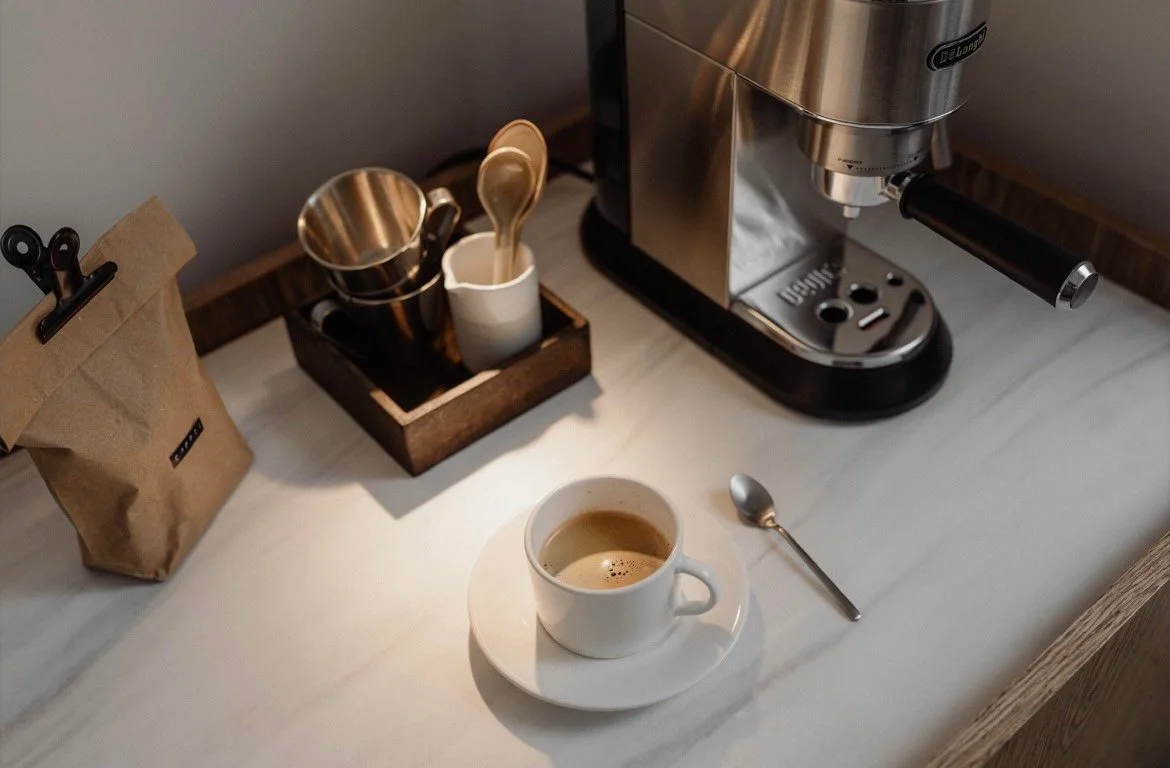
Waking up earlier is much easier when there’s something to look forward to.
If the first thing waiting for you is stress — rushing, checking emails, jumping straight into responsibilities — it makes sense that your brain resists getting out of bed.
But when mornings include something small and pleasant, the experience shifts.
Even a few quiet minutes with a cup of coffee or tea can make the day feel less rushed. Some people use that time to journal, stretch, read a few pages of a book, or simply sit quietly before everything begins.
It doesn’t have to be productive or impressive. The point is just to give yourself a moment that feels calm and intentional.
When mornings start this way, waking up earlier begins to feel less like a chore and more like a small gift you’re giving yourself.
I’ve written more about my own morning routine here.
What Real Progress Actually Looks Like
Waking up earlier rarely happens overnight. For most people, progress is gradual.
It might mean waking up twenty minutes earlier than you used to, or simply having a few mornings each week that feel calmer and less rushed. Some days will still be harder than others — especially when life gets busy or sleep doesn’t go as planned — and that’s normal.
The goal isn’t a perfect routine or suddenly becoming someone who loves early mornings. It’s just making small adjustments that help your mornings feel a little easier.
Over time, those small shifts can move waking up earlier from miserable to manageable — and once you begin to feel the extra calm before the day begins, it becomes much easier to keep going.
Here’s to mornings that feel a little calmer and a little less rushed.
— Probably Fine
Before you go…
If you enjoy thoughtful ideas about routines, wellness, and creating a calmer everyday life, you’re welcome to subscribe here. I share small habits and gentle adjustments that help life feel a little more manageable — no dramatic resets required.
The Probably Fine Philosophy: Life Doesn’t Need to Be Perfect to Feel Good
Life can start to feel like a constant list of things to fix - our routines, our homes, our habits, even ourselves. The Probably Fine Philosophy is a better way of moving through everyday life, letting go of the pressure to perfect everything and focusing instead on what actually helps.
If you’re new here, this post explains the philosophy behind everything I share on Probably Fine Living.
The Pressure We Carry
I’m still learning how to do this. How to build a life that feels calmer and more supportive instead of constantly rushed and behind.
Most days, life just feels full. There’s work, people depending on you, things around the house that never really stay done for long. Even when you’re trying your best, it can feel like you’re always a little behind where you thought you’d be.
For many of us, all of this is layered on top of a normal workday, which leaves very little room for much of anything else.
A lot of us are doing what we can with the time, money, and energy we have, and some days that simply feels like a stretch.
Then you open social media and see beautifully put-together homes, perfect routines, soft morning light — and women who somehow always look polished and effortless. The outfits, the hair, the sense that everything is just… working.
It’s hard not to compare. It can start to feel like everyone else has figured out systems or rhythms that somehow missed you.
I have to remind myself that what we’re seeing is just a snapshot. A moment someone chose to share because it looked nice. It isn’t their whole day, or the messy parts right outside the frame.
But when you’re already stretched thin, it’s easy to forget that and start measuring your real life against someone else’s highlight reel.
When Everything Starts to Feel Like Too Much
Sometimes it feels like I’m always trying to fix something about myself.
My personality. How I handle things. How I look. How well I’m taking care of my home and the people I love.
There’s this running list in the background of all the areas where I could be doing better — staying in touch more, keeping the house cleaner, making it feel prettier, finishing projects that have been sitting there for years.
And then there are the bigger things. The updates you wish you could make to your space — whether that’s renovating a home, decorating a small apartment, or just hoping to have a place of your own someday. Wanting your surroundings to feel more put together, but knowing it takes more time and money than you realistically have right now.
Even things that are supposed to be simple, like eating better or keeping a routine, can start to feel like just another category where you’re falling short.
When all of it piles up, it gets overwhelming fast.
And instead of feeling motivated, it’s easy to shut down and do nothing — not because you don’t care, but because you care so much that your brain doesn’t know where to start.
Letting Go of the Need to Fix Everything
I’ve had to remind myself that not everything needs fixing right now.
Life doesn’t have to feel like one long self-improvement project.
There will always be something that could be better. A habit to work on. A space to update. A version of yourself that seems just slightly out of reach.
Trying to chase all of it at once is exhausting.
I’m learning that rest doesn’t have to be earned by finishing every task. And enjoying your life doesn’t have to wait until everything is finally “done'“.
Some things can stay simple. Some seasons can move more slowly. Some parts of life are allowed to be imperfect without meaning you’ve failed.
Sometimes it’s enough to build days that feel manageable and supportive — even if they’re not impressive.
The Probably Fine Philosophy
I don’t have everything figured out, but I’ve been learning to approach life a little differently.
I think of it as the Probably Fine philosophy.
It’s a gentler way of moving through everyday life. Less pressure to perfect everything, more focus on what actually matters.
Life is lived in progress. Some days feel organized. Some don’t. Some parts of life move quickly, while others take longer to unfold.
Both are normal.
It’s just a reminder that life doesn’t have to look perfect to feel good.
What This Looks Like in Real Life
Part of what led me here was realizing I can’t pour everything into responsibilities while ignoring myself.
When I’m exhausted and running on empty, even the simple tasks start to feel like too much. I rush through them, resent them, and then dread doing them again the next day.
But when I make space to take care of myself — to feel a little steadier in my own body — I show up differently. I have more patience for the things I have to do. Sometimes even a little extra energy.
It doesn’t change my responsibilities, but it changes how I move through them.
Small shifts build on each other, and before I realize it, I’m not bracing myself all the time. The day feels calmer than it did before.
I’m still figuring this out as I go.
There are days I fall back into old habits of pressure and overthinking, days when everything feels urgent and unfinished.
But I keep coming back to the same reminder: life doesn’t have to be perfect to feel good.
Small shifts matter. A little more care. A little more patience. A little more room to breathe.
That’s enough to start changing the tone of a day.
This philosophy shows up in different ways across the site — through simple routines, thoughtful skincare, and small habits that help daily life feel calmer and more supportive over time. If you’d like to explore more, you can start with My Routine, browse the Beauty posts, or visit the Blog to see everything that’s been shared so far.
If any of this resonates, you’re in the right place.
Come sit with me.
A Simple Way to Stay Hydrated Without Sugary Sports Drinks
A fresh, natural hydration drink made with simple ingredients you likely already have at home.
Simple, real ingredients you can find in your kitchen — no artificial powders, just an easy habit that helps you sip consistently throughout the day.
This post may contain affiliate links. If you choose to purchase through them, I may earn a small commission at no additional cost to you.
Drinking enough water should be manageable, but it’s surprisingly easy to fall behind. I wanted a gentle uncomplicated way to stay hydrated without relying on sugary drinks or complicated powders. This basic hydration ritual has become one of those small daily habits that helps me feel a little more put together without much effort.
It’s easy, refreshing, and nothing fancy — but it works. Here’s what I use each morning:
What I Use
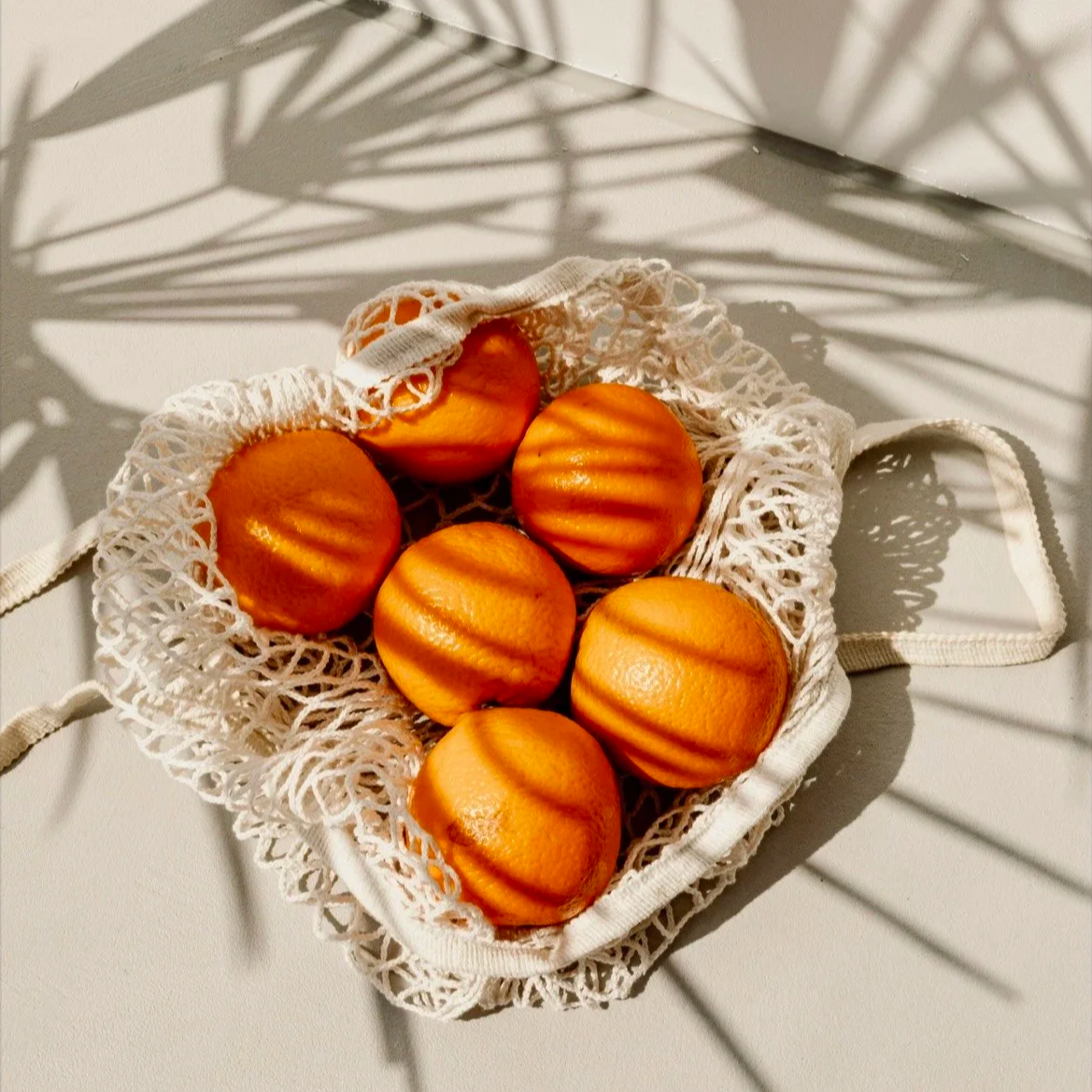
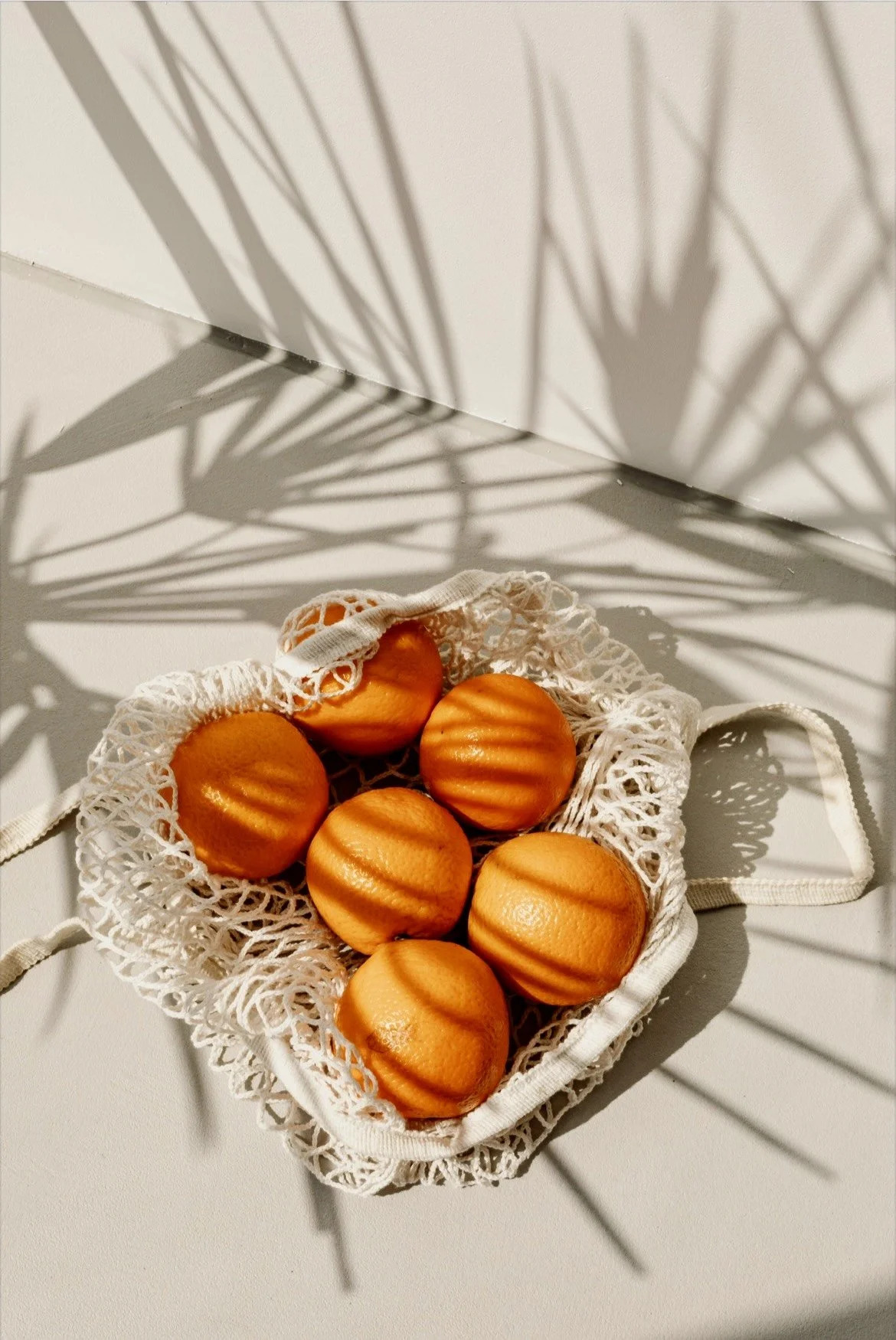
Juice from a fresh orange
A pinch of mineral salt (I use this one)
A small sprinkle of cream of tartar (for natural potassium)
Cold filtered water
Ice, if you like it extra cold
You don’t have to measure this perfectly — the goal is just a light citrus flavor with a subtle mineral taste that feels refreshing and easy to sip.
If You Prefer Exact Measurements
If you’re someone who prefers exact measurements, here’s the ratio I use for a large jar or carafe:
For a 64-ounce carafe:
Juice of 2 oranges
1/8 teaspoon mineral salt
1/8 teaspoon cream of tartar
Filtered water to fill
If you prefer a lighter citrus flavor, you can use 1 orange instead.
This ratio is gentle and mild — perfect for everyday hydration. If your activity level is higher or you’re sweating heavily, you may need slightly more electrolytes. Always listen to your body, and if you have a medical condition or specific health concerns, check with a healthcare professional.
Why These Simple Ingredients Work
Each ingredient plays a small but helpful role, supporting hydration in a gentle, natural way.

Fresh Orange Juice
Freshly squeezed orange juice provides natural vitamin C and plant compounds that begin to decline after juicing. Using fresh oranges gives you brighter flavor and more of the nutrients that support overall wellness.
Mineral Salt
A small amount of mineral salt provides trace minerals and sodium, which help your body maintain fluid balance and absorb water more effectively.
Cream of Tartar
Cream of tartar is a natural source of potassium, an essential electrolyte that works alongside sodium to support hydration and normal muscle function.
Together, they create a light, pleasant drink that feels easier to sip throughout the day than plain water alone.
Tools That Make It Easier
You don’t need anything fancy to make this drink — but a few practical tools can help the process feel easier (and nicer)
Citrus Juicer — makes squeezing fresh juice effortless
Pretty Pitcher— keeps your drink visible and inviting all day
Water Bottle or Tumbler — for taking your hydration drink on the go
Wooden Spoon or Stirring Tool — for gentle mixing
Measuring Spoons — helpful if you like consistent ratios
How This Fits Into My Day
I usually make a full pitcher in the morning and keep a large glass on my desk, refilling it throughout the day while I work. Having it nearby makes it easy to consistently sip without thinking much about it.
The light citrus flavor makes it feel more lively than plain water — almost like a natural sports drink — so it never feels like a chore to finish.
When I stay consistent with it, I notice small but meaningful differences. My skin feels less dry, my hands don’t get as rough, and I tend to look a little less puffy in the mornings. Nothing dramatic — just subtle signs that I’m better hydrated.
It’s a simple habit, but it’s one of the simplest habits I’ve actually stuck with.
Why Doing Less Can Feel Better—In Beauty and in Life
Modern life subtly asks us to do more in every area — beauty routines, wardrobes, schedules, and expectations. But carrying less can make room for what truly matters. A thoughtful reflection on simplifying daily life without guilt.
A gentle approach to simplifying routines, wardrobes, and daily life
Lately, it feels like everything requires more effort than it used to. More steps, more products, more decisions, more things to keep up with. I didn’t fully notice how tired I was until even the small things started to feel heavy — getting dressed felt like a decision I didn’t want to make, my skincare routine turned into a checklist, and simple plans began to feel more like obligations. It’s not that we’re doing anything wrong. Modern life just asks us to carry more than we were ever meant to.
Maybe the goal isn’t to manage everything perfectly. Maybe it’s to stop assuming everything needs to be managed in the first place. To question the pressure to optimize every detail, and to consider that doing less might actually make room for what matters.
When Everything Starts to Feel Like Too Much
There’s a point where the mental tabs stay open longer than they should. You’re thinking about emails you haven’t answered while folding laundry, mentally rewriting your to-do list while trying to relax, and feeling a low hum of guilt when you rest because there’s always something else you could be doing. Nothing is necessarily wrong, but nothing feels truly settled either. It’s an overload that builds slowly, until even ordinary tasks start to feel heavier than they used to.
And even when you do get a moment to pause, your mind is already leaning into tomorrow. You’re anticipating the next responsibility, the next decision, the next thing that will need your energy. It doesn’t have to be something dramatic to feel heavy — just the steady awareness that more is coming. That constant looking ahead can make it hard to fully arrive in the present, as if you’re always bracing slightly for what’s next instead of resting in what’s here.
The Myth of “More Is Better”
Somewhere along the way, “more” became synonymous with “better”. More steps promised better results. More commitments suggested a fuller life. More options made us feel productive and informed. But the constant addition of things to manage — routines, products, plans, expectations — doesn’t always improve our lives the way we think it will. Often, it just leaves us stretched thinner, with less energy to enjoy the things that actually feel meaningful.
Doing Less In Beauty
Beauty is often where the pressure to do more shows up first. Longer routines promise better skin. New ingredients appear every week, each one claiming to be the missing piece. It’s easy to fall into the mindset that if something isn’t workng, the solution must be adding another product, another step, another layer. But skin doesn’t always respond well to constant adjustment. Sometimes it just needs consistency, patience, and fewer things to process.
I’ve noticed this in my own routines, too. the more products I tried to layer in, the harder it became to tell what was actually helping. Skincare started to feel less like care and more like maintenance — a rotating experiment instead of something steady and supportive. It turns out there’s a quiet kind of relief in choosing a few products that work and giving them time to do their job.
If you’ve ever felt tempted to switch everything the moment progress feels slow, I wrote more about that here. How to Know If Your Skincare Routine Is Actually Working—Before You Switch Again. Sometimes consistency does more for your skin than constant improvement ever could.
Doing less in beauty isn’t about neglect. It’s about letting your routine breathe. Fewer steps can mean less irritation, less decision fatigue, and more space to simply let your skin exist without being treated like a project.
Doing Less in Fashion
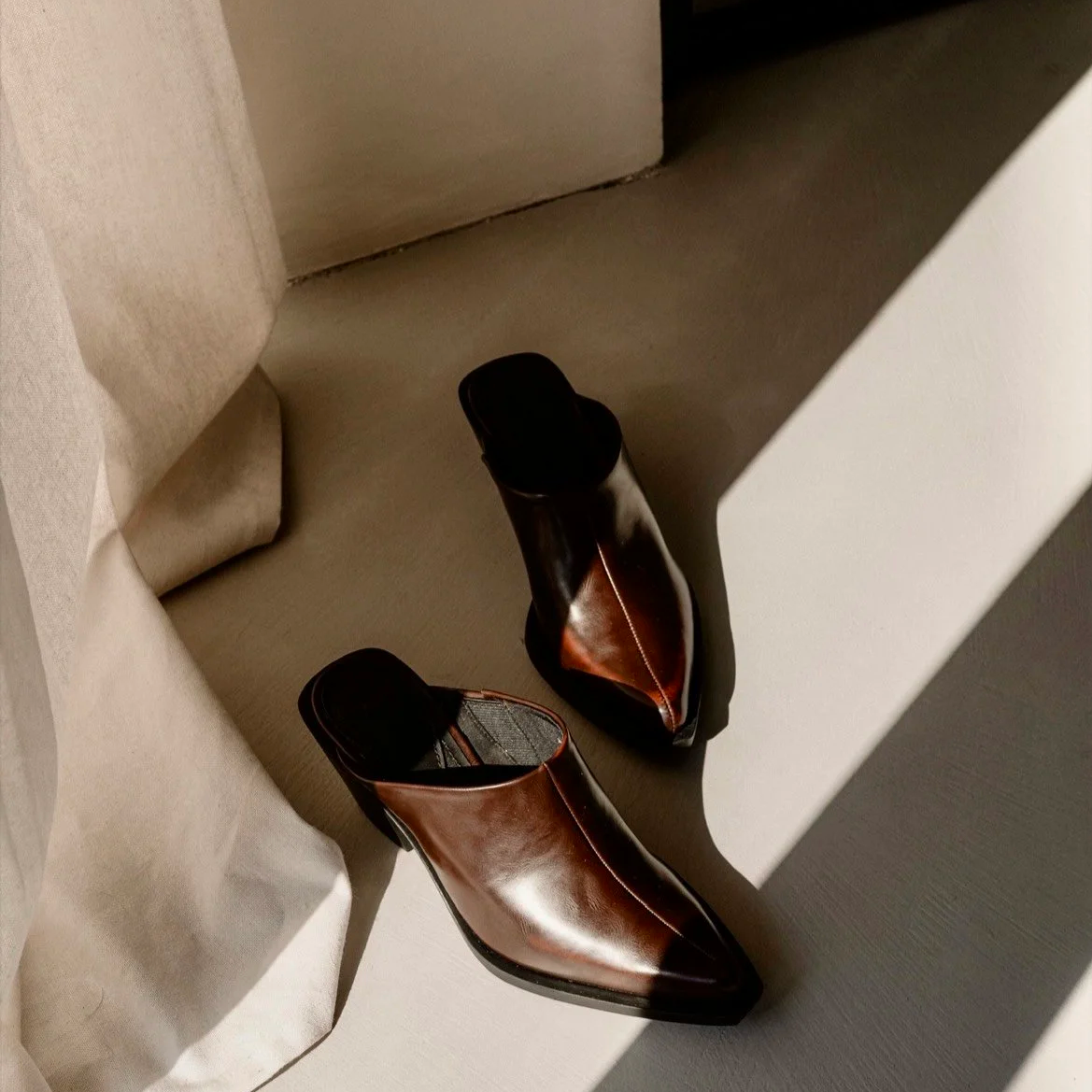
Fashion can sneakily become another source of pressure. Trends move quickly, styles change season to season, and it’s easy to feel like staying current requires constant updating. For me, it was tiring to keep up — not just financially, but mentally. Getting dressed became less about comfort or personal style and more about wondering if something still looked “right”.
Over time, I found myself reaching for the same familiar pieces anyway — the ones that felt comfortable, simple, and easy to wear without much thought. A few classic staples, neutral layers, and outfits that didn’t need constant adjusting make everyday life feel smoother. I also started paying more attention to what actually suited my body instead of what was trending. There are so many different body types, and feeling good in what you’re wearing matters more than keeping up with what’s new. When you feel comfortable and confident, that’s usually what people notice anyway — not the specific cut of your jeans or whether something is considered “in” this season. Repeating outfits is often far less exhausting than trying to keep up with trend cycles.
Doing Less in Daily Life
Beyond routines and wardrobes, the pressure to do more seeps into everyday life. Schedules fill quickly, notifications pile up, and even rest can start to feel like something that needs to be earned. It becomes easy to say yes out of habit — yes to staying busy — without noticing how little space is left to simply exist without obligation.
Doing less in daily life doesn’t mean you’ve stopped caring. It means you’re becoming more protective of your energy. It can look like declining an invitation when you’re already drained, letting a chore wait until tomorrow, or choosing a quiet evening over another commitment. Small decisions like these don’t make life smaller — they make it more sustainable.
There’s also a quiet relief in not constantly planning three steps ahead. When every moment is spent preparing for the next one, it’s hard to fully arrive where you are. Letting yourself handle what’s in front of you — instead of everything that might happen later — can make ordinary days fell less rushed and more manageable.
Sometimes, I’ve found it helps to give myself explicit permission. I’ll mentally say, You have permission to rest for the next hour, or You have permission to not think about that until tomorrow. It sounds simple, but naming that boundary makes it easier to set the mental weight down for a while. Worrying about what needs to happen tomorrow doesn’t actually change the outcome — it just pulls you out of the present moment. Giving myself permission helps me pause without guilt, knowing I’ll handle things when it’s time.
The Relief of Doing Less
There’s a subtle kind of relief that comes from no longer trying to optimize every corner of your life. When you stop adding more — more steps, more expectations, more pressure — things begin to feel calmer. Not empty, not unproductive, just lighter. You start moving through your days with a little more ease and a little less mental negotiation.
Doing less doesn’t mean lowering your standards or giving up on growth. It means recognizing that your energy is limited and choosing to spend it with more care. It’s simplifying routines so they support you instead of overwhelm you. It’s wearing what feels good, committing to what matters, and allowing yourself to rest without feeling like you’ve fallen behind.
When there’s less to manage, there’s more room to notice the small things — a slower morning, a comfortable outfit, a quiet evening that doesn’t need to be filled. Life doesn’t necessarily become perfect, but it can feel more manageable. More breathable. More your own.
Doing less isn’t about shrinking your life. It’s about making room for the parts that matter most — the relationships, the moments of rest, the small routines that gently support you. When everything is competing for your attention, the meaningful things can easily slip through the cracks. Choosing to carry less helps protect the space for what you actually want to hold onto.
Life feels lighter when you stop trying to hold it all.
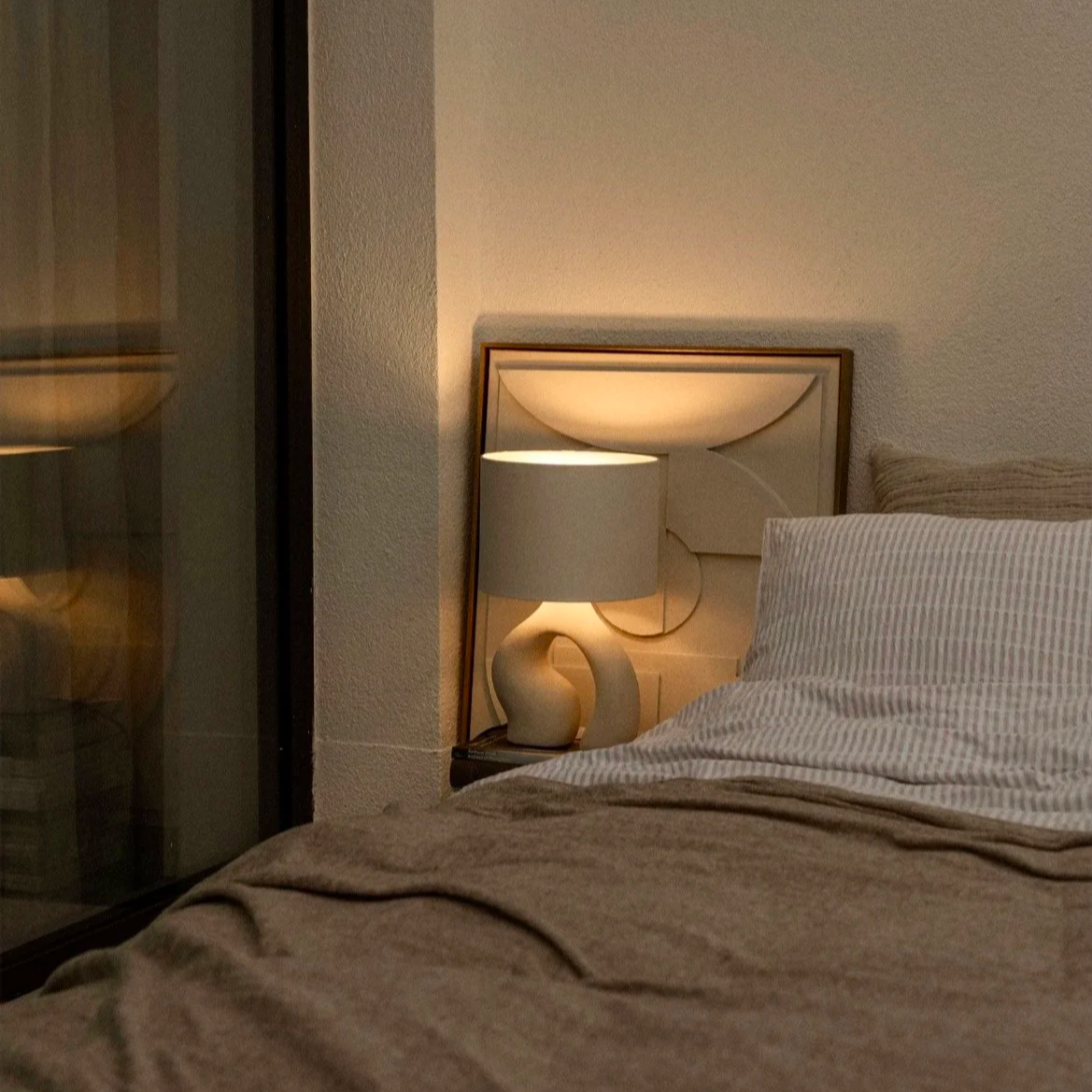
How I Keep My Evenings Calm—Without a Complicated Routine
Evenings don’t need to be perfect. They just need to feel softer than the day that came before. This is the simple evening routine that helps me shift out of work mode and wind down at the end of the day.
Evenings don’t need to be perfect. They just need to feel quieter than the day that came before.
This post may contain affiliate links, which means that I may earn a small commission at no extra cost to you.
The Hustle is Done
My evenings don’t begin calm.
Like most evening routines, mine usually begin with leftover momentum. The day is still humming — conversations replaying, tasks unfinished, mental tabs still open.
I don’t immediately change clothes or light a candle. What I change is my focus. I decide that the hustle is done.
There are still things to do. Dinner still needs to be made, laundry needs attention. But I’m not in performance mode anymore. I’m not responding. I’m not achieving.
I’m home.
That shift is subtle, but it changes everything.
Nourishment, Not Aesthetics
Dinner isn’t aesthetic here.
It’s not plated for a photo or elaborate unless I want it to be. It’s just good, nourishing food that I can sit down and enjoy with my family.
For me, calm doesn’t mean doing less. It means doing what I’m doing without rushing through it.
I try cleaning as I go — wiping counters while something simmers, loading a few dishes before we sit down — so that the aftermath doesn’t feel overwhelming. It’s not about perfection. It’s about preventing that heavy end-of-night pileup that makes everything worse the next morning.
And if you have help at home, this is the time to use it. Evenings shouldn’t fall on one person. It’s a good time for everyone to pitch in — clearing plates, wiping the table, resetting the kitchen together. Not in a rigid way. Just in a shared way.
Because this time matters.
Work is important, yes. But being home — eating together, talking, sitting in the same room — that’s the part of life that actually counts. I don’t want to rush through it just to get to the next thing. I want to be in it.
Something That’s Mine
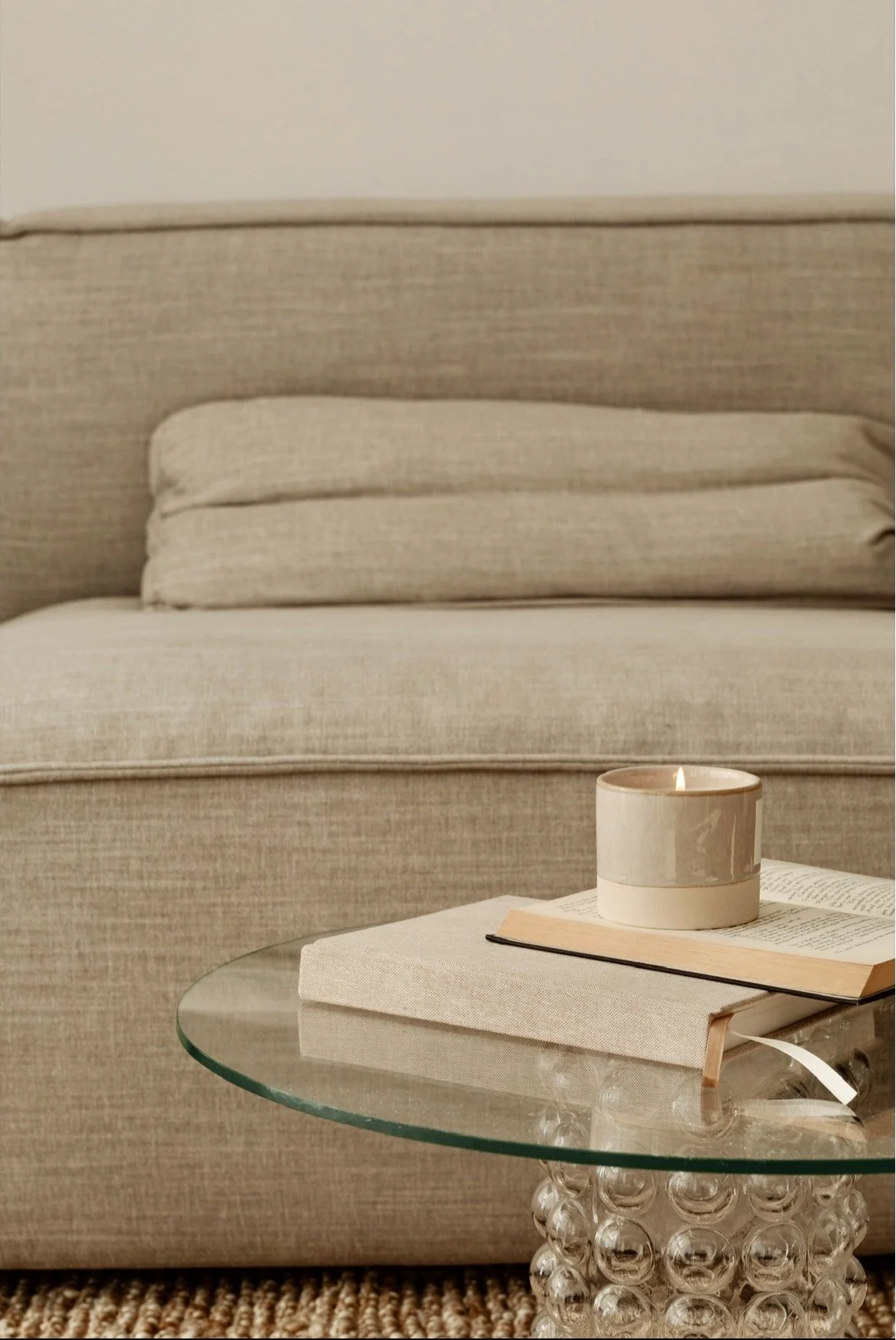
After dinner and the kitchen reset — and whatever else the evening still needs from me — I try to spend a little time doing something that’s just for me.
Sometimes that’s watching a show with my family. Sometimes it’s reading. Sometimes it’s doing something productive — writing, planning, or working on something that moves my own life forward.
And when I can, I try to carve out even ten or twenty minutes for a little self-care. Nothing complicated. Just small things that help me feel better in my body and mind. Maybe a little stretching, a gua sha routine — which always seems to relax may face and jaw at the end of the day — or simply slowing down long enough to breathe.
It’s not about perfection or consistency. It’s just about creating a moment in the day that belongs to me.
Those small pockets of care add up more than you think.
Supporting My Future Self
Another thing that helps my evenings feel steadier is doing a few small things that make tomorrow easier.
I try to decide things the night before so they don’t add stress to the next morning — what time I’m waking up, what I’m wearing, what I’m going to eat. Sometimes even just mentally confirming the shape of the next day.
Nothing elaborate. Just enough planning that when the morning comes, the decisions are already made.
It’s an easy way of supporting my future self. Instead of waking up and immediately feeling behind, I wake up and carry out what I already decided.
That simple preparation makes the whole next day feel steadier.
Small routines like these add up over time.
Washing the Day Off
I don’t make my skincare complicated.
It’s not a 10-step routine, and it’s not always about glow. It’s about closure.
Washing my face at night feels symbolic in a way. The day doesn’t get to stay on me. The stress doesn’t get to sit there overnight.
Oil cleanser. Warm water. Moisturizer. Done.
In the morning, I try to set the tone. At night, I lower it.
(If you missed it, I wrote more about my morning routine here.)
Lowering the Volume
Overhead lights go off. Lamps come on.
Golden milk. Magnesium. A warm mug in a quieter house.
I make it a priority to get into bed early enough that I can actually get eight to nine hours of sleep. That part has become non-negotiable. Peaceful evenings mean nothing if I wake up depleted.
If I’m not fully sleepy yet, I don’t scroll. I turn the lights out and listen to an audiobook on Audible. Just listening — not watching, not reacting — relaxes me enough that eventually I reach over, turn it off, and fall asleep.
No drama. No grand routine.
Just lowering the volume.
Slightly Chaotic, But Recovering
My evenings aren’t perfectly cozy from the start.
They’re still slightly chaotic.
But they’re recovering.
And part of that recovery is remembering what matters most. The hours at home are the real ones — the ones that shape your life quietly, the ones you don’t get back.
So I try not to rush through them.
I don’t try to fix the whole day once the sun goes down. I just move it gently toward something softer — something dimmer, quieter, more intentional.
Even when the day wasn’t calm, the ending can be.
One day at a time.
A Simple Morning Routine for When You Feel Scattered
Not a 5AM overhaul. Just a soft, simple morning rhythm that keeps the day from slipping away.
I don’t wake up at 5 a.m.
I don’t journal for an hour.
I don’t try to reinvent myself before work.
What I do instead is protect my sleep, drink something warm, let light hit my face, and get myself ready — even if no one is going to see me.
At 43, I’ve realized I don’t need a perfect morning. I just need one that helps me feel like myself.
It’s not impressive or extreme. But it’s the difference between feeling steady and feeling slightly off all day.
If my mornings feel rushed or chaotic, I usually carry that feeling with me all day. Maybe you do too. I feel a little more exhausted. A little more grumpy. A little less like the person I want to be.
So I built a morning rhythm that’s soft, simple, and just structured enough to help me feel like myself before the day really starts.
It took me a long time to realize I wasn’t looking for the perfect routine. I was looking for one I could actually keep doing. That’s why I think the best routine is usually the one you’ll actually do—not the one that looks the most impressive on paper.
Start With Rest
The first part of my rhythm isn’t glamorous: it’s sleep.
I’ve had so many nights where I stay up too late and feel it the next morning — and it always reminds me how much this matters.
The exact time I wake up matters less than how rested I feel. Everyone’s schedule is different, but I try to get eight to nine hours whenever I can. And if I need to wake up earlier than usual — I have to plan for it — which generally means going to bed earlier too.
When I’m rested, everything feels easier. I’m more patient. More present. The morning doesn’t feel like it slips away from me. I just feel more like myself.
I used to think my mornings needed fixing. Most of the time, I actually just needed more sleep.
If you need a little help winding down and preparing for sleep in the evenings, I’ve written about my calm nighttime routine here.
Let the Morning In
When I wake up, I try not to let the day start without me. I pour a warm cup of water to rehydrate — sometimes with lemon and a little sea salt — and stand near a window.
I close my eyes for a few minutes and let the light hit my face. If the weather cooperates, I’ll step outside. Most days I just stand there quietly, still waking up, holding a warm mug in my hands.
It sounds small, but that light changes something. It helps my body wake up naturally. I’ve learned that morning light is one of the simplest ways to reset your internal clock, and I can feel the difference on the days I skip it.
Keep the First Moments Quiet
One thing that changed my mornings was not reaching for my phone right away.
I don’t check social media. I don’t scroll. I don’t open emails unless I absolutely have to. Even just a few notifications can shift my mood before I’ve had a chance to decide what it even is.
If I see an email first thing, my stress spikes. I feel like I have to jump to life immediately — to respond, to fix, to handle something. And suddenly the quiet start I wanted is gone.
So I give myself a little space first. A few minutes that belong to me before I start responding to the day.
It’s a small boundary, but it helps the morning feel like it’s mine — at my own pace — instead of something that’s demanding attention from me.
Get Ready Anyway
Even though I work from home, I still get ready for the day.
No one is coming over. Some days, no one will see me at all. But I shower, put on real clothes, fix my hair, and do a little makeup. Nothing elaborate — just enough to feel put together.
Especially working from home, it’s easy to let the lines blur — to stay in something comfortable and never fully shift into the day.
When I skip this step, I feel it. I’m a little more sluggish. A little less focused. Like I’m just drifting through instead of showing up.
But when I take a few moments to get ready, things shift.
I’m more likely to go for a walk, run an errand, or answer the door without a second thought. Getting ready doesn’t just change how I look—it changes how willing I am to engage with the day.
A Small Ritual
After I’m ready, I make coffee.
I drink decaf now, but I still love the ritual of it. There’s something emotional about a warm mug in the morning. The smell, the first sip, the quiet few minutes before the day really starts.
I add a little sea salt and cream, stevia, sometimes gelatin. It’s not about caffeine anymore. It’s just a small ritual that signals: we’re up, we’re here, we’re starting.
Carry It With You
I’ve noticed that when my morning feels steady, the rest of the day follows that lead.
I’m more likely to clean up the kitchen instead of letting it pile up. I’ll run a quick errand on my break instead of putting it off. I’ll do a short reset — a quick tidy or small task — instead of collapsing into the couch feeling behind.
It’s not that I suddenly have more hours. I just have more capacity. And over time, those kinds of mornings start to shape everything else.
It’s not dramatic. It’s not impressive. It’s just a way of starting the day that feels the way I want it to.
I don’t wake up at 5 a.m. I don’t have a perfect routine. But most mornings, I start the day feeling like myself—and for me, that’s enough.