
Why Doing Less Can Feel Better—In Beauty and in Life
A gentle approach to simplifying routines, wardrobes, and daily life
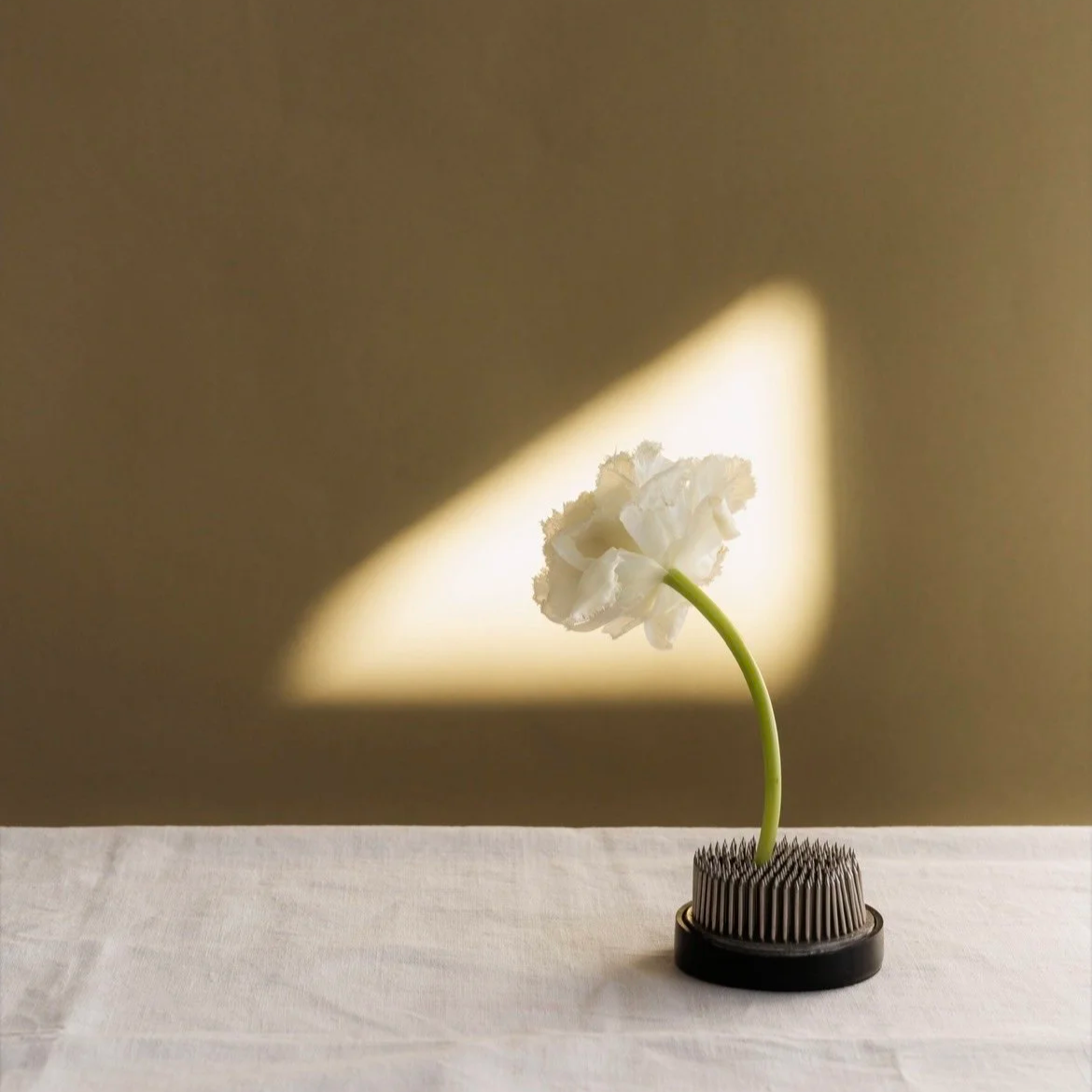
Lately, it feels like everything requires more effort than it used to. More steps, more products, more decisions, more things to keep up with. I didn’t fully notice how tired I was until even the small things started to feel heavy — getting dressed felt like a decision I didn’t want to make, my skincare routine turned into a checklist, and simple plans began to feel more like obligations. It’s not that we’re doing anything wrong. Modern life just asks us to carry more than we were ever meant to.
Maybe the goal isn’t to manage everything perfectly. Maybe it’s to stop assuming everything needs to be managed in the first place. To question the pressure to optimize every detail, and to consider that doing less might actually make room for what matters.
When Everything Starts to Feel Like Too Much
There’s a point where the mental tabs stay open longer than they should. You’re thinking about emails you haven’t answered while folding laundry, mentally rewriting your to-do list while trying to relax, and feeling a low hum of guilt when you rest because there’s always something else you could be doing. Nothing is necessarily wrong, but nothing feels truly settled either. It’s an overload that builds slowly, until even ordinary tasks start to feel heavier than they used to.
And even when you do get a moment to pause, your mind is already leaning into tomorrow. You’re anticipating the next responsibility, the next decision, the next thing that will need your energy. It doesn’t have to be something dramatic to feel heavy — just the steady awareness that more is coming. That constant looking ahead can make it hard to fully arrive in the present, as if you’re always bracing slightly for what’s next instead of resting in what’s here.
The Myth of “More Is Better”
Somewhere along the way, “more” became synonymous with “better”. More steps promised better results. More commitments suggested a fuller life. More options made us feel productive and informed. But the constant addition of things to manage — routines, products, plans, expectations — doesn’t always improve our lives the way we think it will. Often, it just leaves us stretched thinner, with less energy to enjoy the things that actually feel meaningful.
Doing Less In Beauty
Beauty is often where the pressure to do more shows up first. Longer routines promise better skin. New ingredients appear every week, each one claiming to be the missing piece. It’s easy to fall into the mindset that if something isn’t workng, the solution must be adding another product, another step, another layer. But skin doesn’t always respond well to constant adjustment. Sometimes it just needs consistency, patience, and fewer things to process.
I’ve noticed this in my own routines, too. the more products I tried to layer in, the harder it became to tell what was actually helping. Skincare started to feel less like care and more like maintenance — a rotating experiment instead of something steady and supportive. It turns out there’s a quiet kind of relief in choosing a few products that work and giving them time to do their job.
If you’ve ever felt tempted to switch everything the moment progress feels slow, I wrote more about that here. How to Know If Your Skincare Routine Is Actually Working—Before You Switch Again. Sometimes consistency does more for your skin than constant improvement ever could.
Doing less in beauty isn’t about neglect. It’s about letting your routine breathe. Fewer steps can mean less irritation, less decision fatigue, and more space to simply let your skin exist without being treated like a project.
Doing Less in Fashion
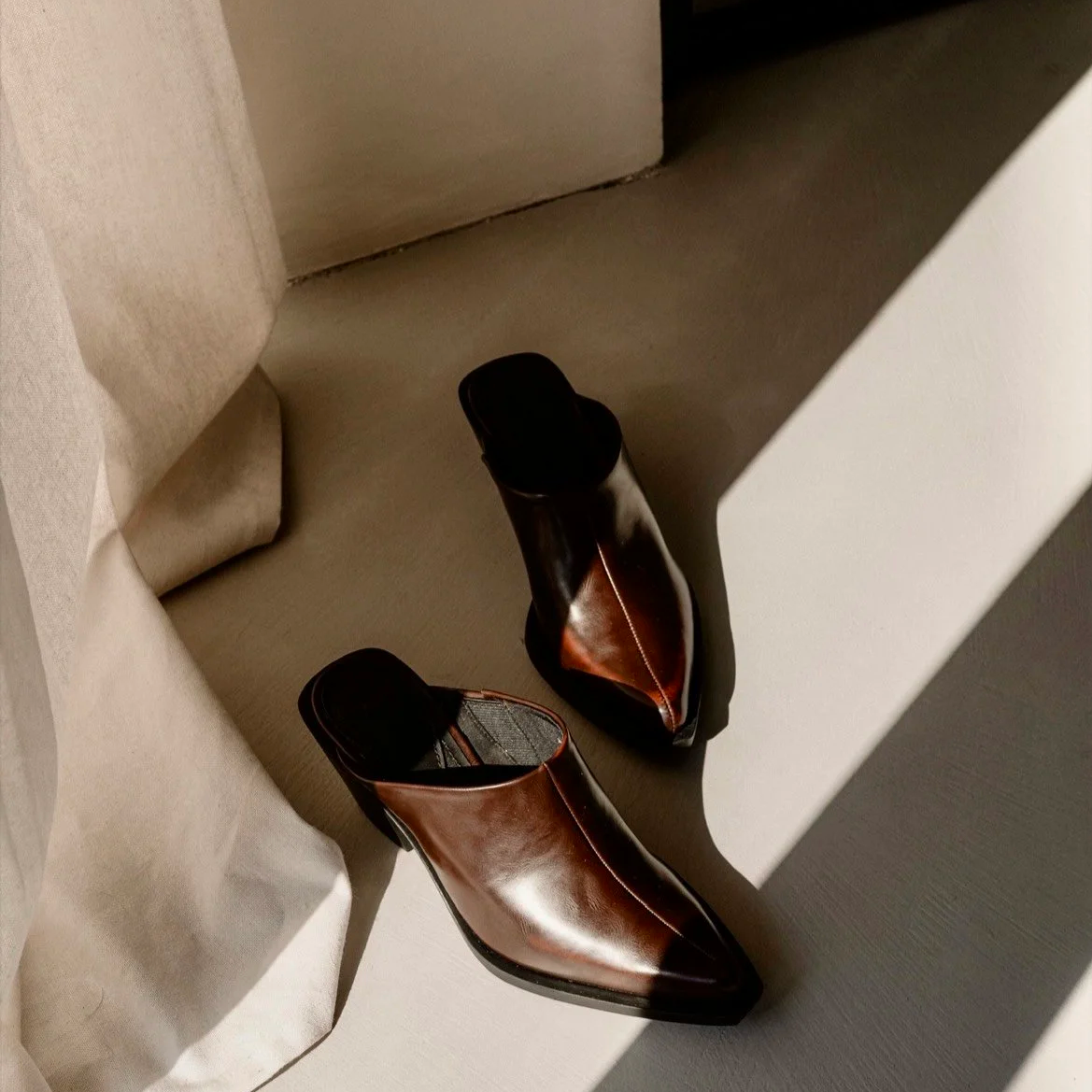
Fashion can sneakily become another source of pressure. Trends move quickly, styles change season to season, and it’s easy to feel like staying current requires constant updating. For me, it was tiring to keep up — not just financially, but mentally. Getting dressed became less about comfort or personal style and more about wondering if something still looked “right”.
Over time, I found myself reaching for the same familiar pieces anyway — the ones that felt comfortable, simple, and easy to wear without much thought. A few classic staples, neutral layers, and outfits that didn’t need constant adjusting make everyday life feel smoother. I also started paying more attention to what actually suited my body instead of what was trending. There are so many different body types, and feeling good in what you’re wearing matters more than keeping up with what’s new. When you feel comfortable and confident, that’s usually what people notice anyway — not the specific cut of your jeans or whether something is considered “in” this season. Repeating outfits is often far less exhausting than trying to keep up with trend cycles.
Doing Less in Daily Life
Beyond routines and wardrobes, the pressure to do more seeps into everyday life. Schedules fill quickly, notifications pile up, and even rest can start to feel like something that needs to be earned. It becomes easy to say yes out of habit — yes to staying busy — without noticing how little space is left to simply exist without obligation.
Doing less in daily life doesn’t mean you’ve stopped caring. It means you’re becoming more protective of your energy. It can look like declining an invitation when you’re already drained, letting a chore wait until tomorrow, or choosing a quiet evening over another commitment. Small decisions like these don’t make life smaller — they make it more sustainable.
There’s also a quiet relief in not constantly planning three steps ahead. When every moment is spent preparing for the next one, it’s hard to fully arrive where you are. Letting yourself handle what’s in front of you — instead of everything that might happen later — can make ordinary days fell less rushed and more manageable.
Sometimes, I’ve found it helps to give myself explicit permission. I’ll mentally say, You have permission to rest for the next hour, or You have permission to not think about that until tomorrow. It sounds simple, but naming that boundary makes it easier to set the mental weight down for a while. Worrying about what needs to happen tomorrow doesn’t actually change the outcome — it just pulls you out of the present moment. Giving myself permission helps me pause without guilt, knowing I’ll handle things when it’s time.
The Relief of Doing Less
There’s a subtle kind of relief that comes from no longer trying to optimize every corner of your life. When you stop adding more — more steps, more expectations, more pressure — things begin to feel calmer. Not empty, not unproductive, just lighter. You start moving through your days with a little more ease and a little less mental negotiation.
Doing less doesn’t mean lowering your standards or giving up on growth. It means recognizing that your energy is limited and choosing to spend it with more care. It’s simplifying routines so they support you instead of overwhelm you. It’s wearing what feels good, committing to what matters, and allowing yourself to rest without feeling like you’ve fallen behind.
When there’s less to manage, there’s more room to notice the small things — a slower morning, a comfortable outfit, a quiet evening that doesn’t need to be filled. Life doesn’t necessarily become perfect, but it can feel more manageable. More breathable. More your own.
Doing less isn’t about shrinking your life. It’s about making room for the parts that matter most — the relationships, the moments of rest, the small routines that gently support you. When everything is competing for your attention, the meaningful things can easily slip through the cracks. Choosing to carry less helps protect the space for what you actually want to hold onto.
Life feels lighter when you stop trying to hold it all.